
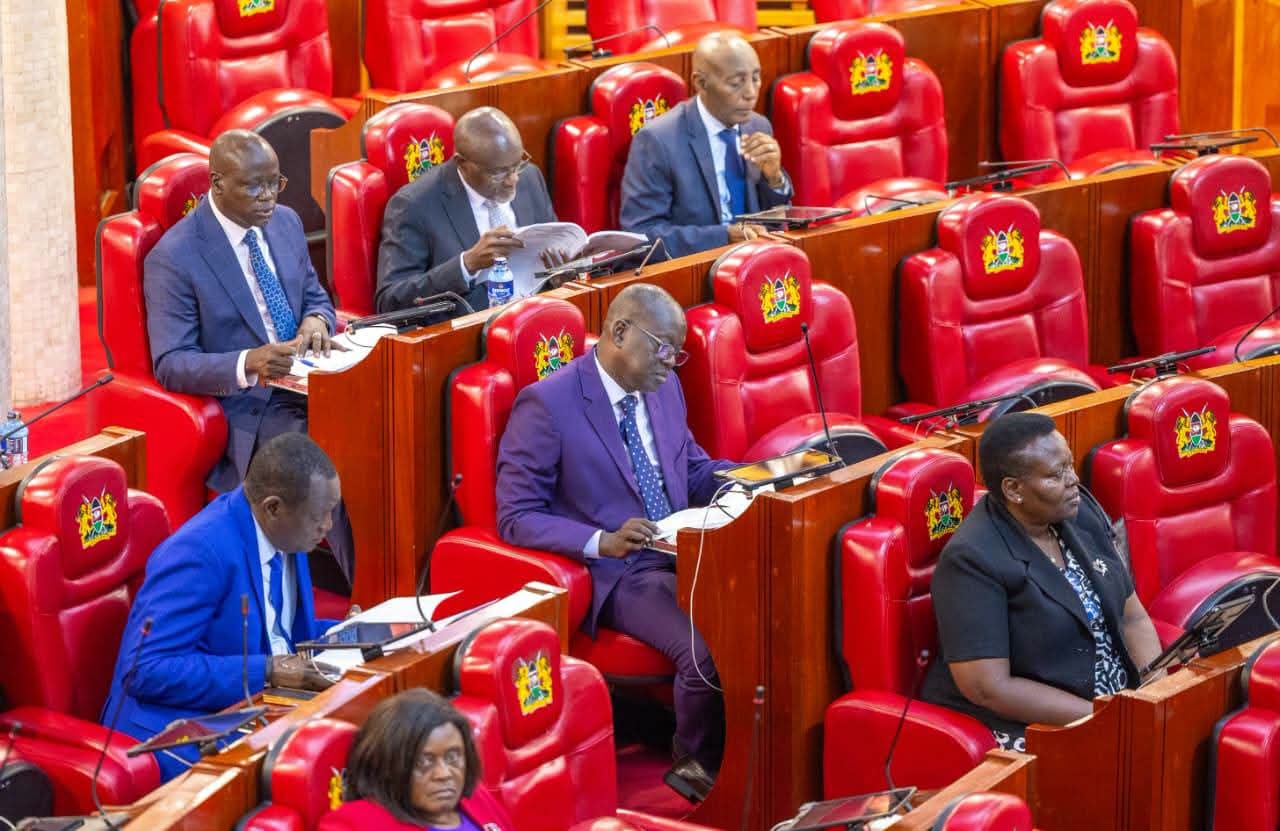
Members of the National Assembly have passed the Plant Protection Bill paving the way for a modern legal and institutional framework to protect Kenya’s agriculture from plant pests and diseases while facilitating safe trade in plants and plant products.
The Bill seeks to strengthen the country’s phytosanitary regime by preventing the introduction, establishment and spread of plant pests, including foreign pests that could threaten agricultural production, food security and livelihoods.
The legislation will replace the outdated Plant Protection Act, Cap. 324, which the Departmental Committee on Agriculture and Livestock said had become inadequate to address contemporary agricultural practices, emerging technologies and changing international trade requirements.
In its report to the House, the Committee, chaired by Dr John Kanyuithia Mutunga, said the Bill would shift Kenya’s plant health and biosecurity framework from largely reactive measures to a proactive, science-based system aligned with global and regional best practices.
The Committee observed that the proposed law addresses longstanding enforcement gaps, inadequate penalties and procedural limitations in the existing legal framework.
Role of KEPHIS under Plant Protection Bill
A key provision of the Bill is the formal designation of the Kenya Plant Health Inspectorate Service (KEPHIS) as Kenya’s National Plant Protection Organization (NPPO).
The Committee said the designation would strengthen Kenya’s compliance with obligations under the International Plant Protection Convention (IPPC) and international phytosanitary standards, thereby supporting continued access to international markets for Kenyan agricultural exports.
The Bill further provides for a clearer separation between regulatory enforcement and technical advisory functions. KEPHIS will retain direct regulatory and enforcement responsibilities, including border surveillance, plant health inspections, seed certification and quarantine controls.
Specialized technical bodies, including the Kenya Technical Committee on Biological Articles and Control Agents, will undertake advisory and evaluative functions, particularly risk assessment, policy formulation and regulatory review.
The new legal framework is also expected to reduce the risk of non-tariff barriers, rejection of export consignments and disruption of access to overseas markets.