

Members of the National Assembly Departmental Committee on Trade, Industry and Cooperatives have called for stronger safeguards in the proposed law governing Savings and Credit Cooperative Societies (SACCOs), saying the legislation must protect members’ savings without creating unnecessary bureaucracy.
The committee, chaired by MP Bernard Shinali, met officials from the SACCO Societies Regulatory Authority (SASRA) to deliberate on the proposed Sacco Societies (Amendment) Bill, 2025, which seeks to strengthen the regulation of SACCOs and enhance the protection of members’ savings.
During the meeting, legislators cautioned against introducing excessive administrative requirements that could complicate SACCO operations. They noted that SACCOs remain the preferred source of affordable credit for many Kenyans, particularly during emergencies, due to their simple, accessible lending processes.

The MPs also questioned the proposed deposit insurance framework, which limits compensation to a maximum of 100,000m per depositor in the event of a SACCO collapse. They argued that the proposed cap would leave many members with larger savings exposed to significant losses and called for a more equitable compensation model.
Lawmakers further urged SASRA to ensure the proposed legislation is forward-looking and capable of addressing the evolving needs of the cooperative sector. They encouraged the regulator to resolve operational challenges through administrative regulations where appropriate instead of embedding every reform in legislation, thereby allowing greater flexibility in implementing future changes.
Why SASRA has proposed amendments SACCO law
The proposed Bill aims to improve the safety of members’ savings and deposits through stronger prudential supervision and oversight while enhancing the sustainability of SACCOs, especially smaller institutions. It also seeks to promote the use of shared technological and digital platforms that would enable smaller SACCOs to reduce operational costs and benefit from economies of scale.
Appearing before the committee, SASRA Chief Executive Officer David Sandagi said the Bill would boost public confidence in SACCOs by establishing a deposit insurance fund to guarantee members’ savings if a regulated SACCO fails.
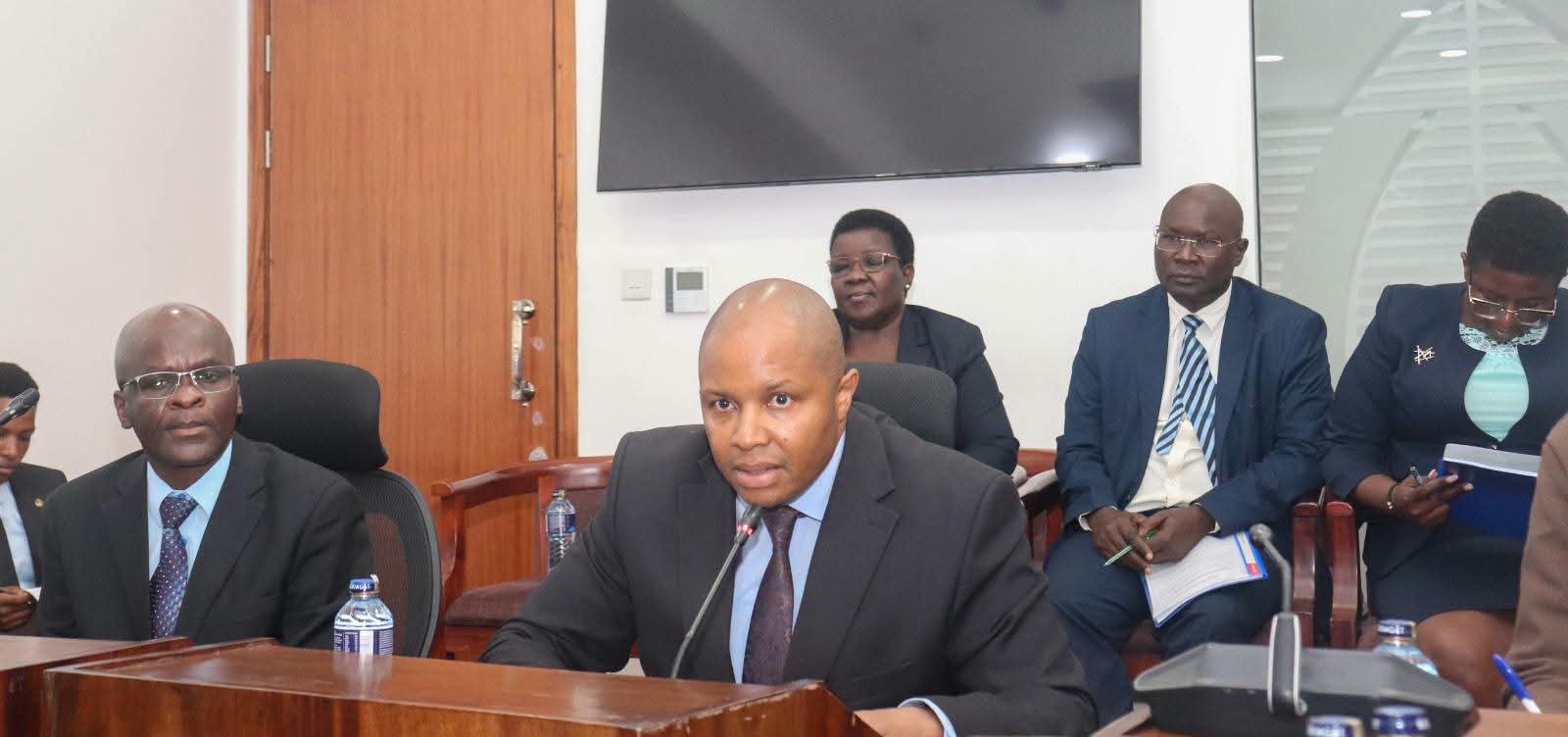
Sandagi explained that although SASRA has invested significantly in technology to improve supervision, many small SACCOs have been unable to adopt similar systems because of financial and technical constraints. He said the proposed law would allow these institutions to access shared regulatory technology platforms, making supervision more efficient while lowering compliance costs.