
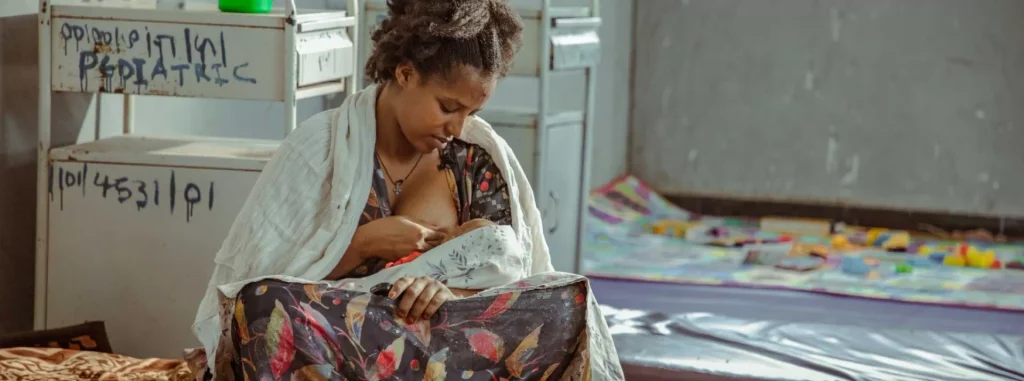
Geneva, Switzerland, 10 August 2026- /African Media Agency (AMA)/ – The Ethiopian Ministry of Health, in collaboration with the World Health Organization (WHO) Ethiopia, the Addis Ababa City Administration Health Bureau, United Nations agencies, development partners, health professionals, and community representatives, commemorated World Breastfeeding Week 2026 under the global theme, “Breastfeeding for a Sustainable Start in Life: Strengthen What Works.”
Opening the event, Dr. Dereje Duguma, State Minister of Health of the Federal Democratic Republic of Ethiopia, reaffirmed the Government of Ethiopia’s commitment to protecting, promoting, and supporting breastfeeding as a national public health priority. He emphasized that breastfeeding benefits not only infants by providing optimal nutrition, supporting healthy growth, and protecting against disease, but also mothers by improving postpartum health, while strengthening families and communities.
Dr. Dereje noted that breastfeeding is a cherished cultural practice in Ethiopia that should be preserved and protected for future generations. He further reaffirmed the Ministry of Health’s commitment to strengthening the enforcement of national legislation regulating the marketing of breast-milk Week substitutes, including addressing the inappropriate promotion of infant formula through mainstream and social media, in line with the International Code of Marketing of Breast-milk Substitutes and the national Baby Food Control Directive Number/2021.
Delivering the WHO keynote address, Dr. Bejoy Nambiar, Health Policy and Systems Advisor and Team Lead, Universal Health Coverage (UHC) Cluster, WHO Ethiopia, said that this year’s theme is a call to strengthen interventions that have consistently proven effective in improving breastfeeding outcomes.
“We know what works. The challenge now is to ensure that proven interventions reach every mother and every child at the scale required. Investing in breastfeeding is one of the smartest investments countries can make for better nutrition, healthier families, and sustainable development.”
Dr. Bejoy highlighted WHO’s continued support to Ethiopia in implementing evidence-based policies and programmes that enable mothers to initiate breastfeeding within the first hour after birth, exclusively breastfeed for the first six months of life, and continue breastfeeding alongside appropriate complementary foods up to two years of age or beyond.
He called for increased investment in proven interventions, including skilled Infant and Young Child Feeding (IYCF) counselling throughout pregnancy, childbirth, and early childhood; expansion of the Baby-friendly Hospital Initiative; national breastfeeding promotion campaigns; stronger implementation and enforcement of the International Code of Marketing of Breast-milk Substitutes; paid maternity leave and family-friendly social protection policies; and breastfeeding-friendly workplaces that provide adequate time, space, and support for breastfeeding or expressing breast milk.
Despite strong evidence, Dr. Bejoy noted that these interventions remain underfunded and insufficiently implemented in many settings. He stressed that closing this investment gap is essential to improving maternal and child nutrition outcomes and accelerating progress towards national health priorities and the Sustainable Development Goals.
WHO reaffirmed its commitment to working with the Government of Ethiopia, United Nations agencies, development partners, civil society organizations, professional associations, and communities to strengthen national policies, build the capacity of the health and nutrition workforce, improve monitoring and accountability, and ensure that every mother receives the support she needs to breastfeed successfully.
As Ethiopia commemorates World Breastfeeding Week 2026, the Ministry of Health, WHO, and other UN agencies called on all stakeholders to strengthen what works, invest in proven breastfeeding interventions, and ensure that every child receives the healthiest possible start in life through breastfeeding.
Distributed by African Media Agency (AMA) on behalf of World Health Organisation.
The post World Breastfeeding Week 2026: Ethiopia and WHO call for scaling up proven breastfeeding interventions appeared first on African Media Agency.