
At 34.4% clean cooking access, Kenya leads the East African region, yet 65.6% of Kenyan families, nearly 9 million households, still depend on wood, charcoal and biomass for daily cooking.
This is a figure that climbs above 90% in rural counties and among public institutions such as schools, hospitals and prisons.
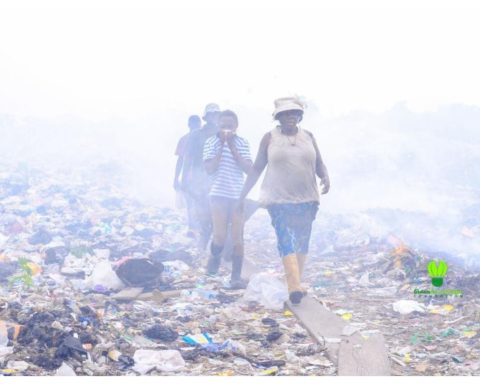
Indoor air pollution from these fuels causes over 26,000 deaths every year, with women and children disproportionately affected.
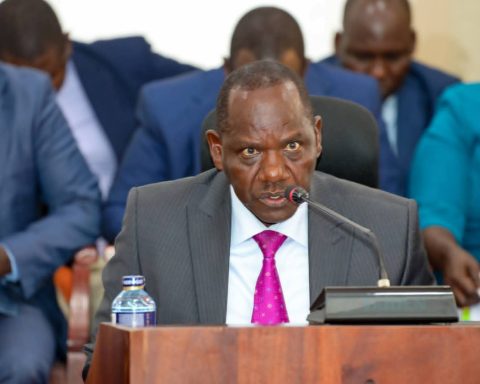
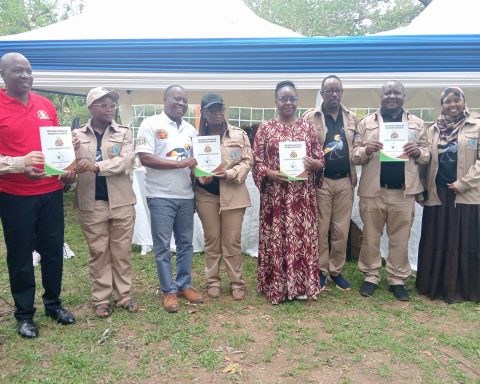
On Wednesday, September 9, 2026, the Parliament of Kenya, in partnership with UNIDO and Climate Parliament, hosted a high level breakfast meeting, themed “Advancing Parliamentary Action for Universal Access to Clean Cooking in Kenya.”

The session was moderated by nominated Senator Hamida Kibwana, sponsor of the Motion on clean cooking before the Senate, and brought together Members of Parliament, the Ministry of Energy and Petroleum, National Treasury, the Ministry of Trade, Collaborative Labeling and Appliance Standards Program (CLASP), BURN Manufacturing Company, and the Kenya Medical Research Institute (KEMRI).
Benefits of using clean cooking solutions
In her opening remarks, Sen Kibwana told MPs that transitioning away from traditional fuels could save the government billions of shillings in avoided healthcare costs each year, free up hundreds of hours currently spent on fuel collection and cooking.
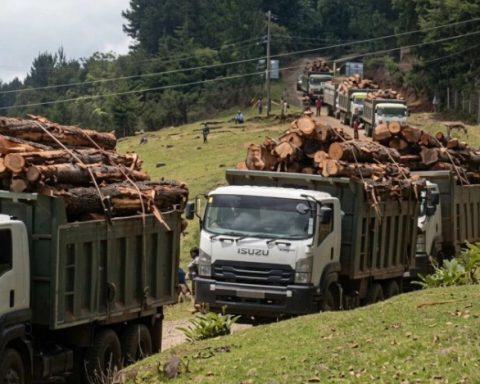
This, she said, would significantly reduce deforestation and greenhouse gas emissions in line with Kenya’s commitments under the Energy Act 2019, the Climate Change Act 2016, and its Nationally Determined Contributions.
“Clean cooking is often treated as a household matter, yet its consequences sit squarely within Parliament’s mandate. It affects public health, the cost of living, women’s time and safety, forest loss, climate commitments, local manufacturing and the budgets of our schools and other public institutions,” said Sen. Kibwana.
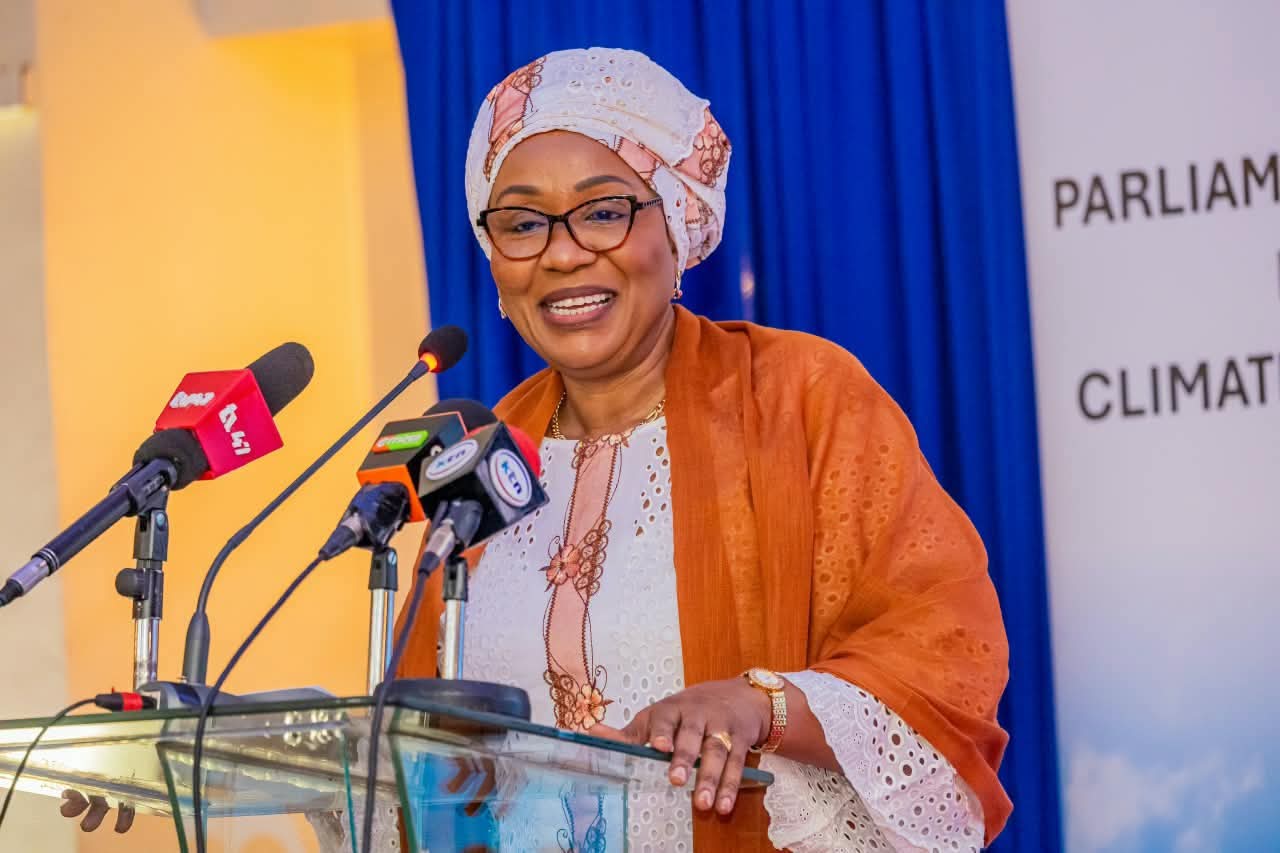
Dr. Faith Wandera, Director of Renewable Energy at the State Department for Energy, delivered a strategic briefing setting out the legislative, financial and county equity dimensions of the transition.
Cost of enhancing use of clean cooking in Kenya
She noted that closing the national financing gap will require mobilising an estimated USD435 million for household access alone, alongside a wider USD 1 billion gap identified under the Kenya Energy Compact.
Building on this engagement, the Senate is set to consider a Motion calling for the National Treasury and the Ministry of Energy and Petroleum to prioritise clean cooking within national financing frameworks and accelerate access to climate finance and carbon markets under the Climate Change Carbon Markets Regulations 2024.
The Motion also calls on the Ministry of Environment, Climate Change and Forestry and the National Environment Management Authority to publish a national whitelist and clear guidelines for issuing Letters of Authorization to unlock carbon finance for the sector.
Additionally, it urges the Council of Governors and county governments to mainstream clean cooking targets into County Integrated Development Plans and to work with the private sector and community organizations to expand access, create local jobs and reduce pressure on forest resources.

 Get factual and reliable news as fast as they happen