
The Senate Standing Committee on Devolution and Intergovernmental Relations has directed Uasin Gishu Governor Jonathan Bii to improve Eldoret City’s own-source revenue so as to sustain its growth, fund critical infrastructure development, achieve financial independence, and deliver essential public services effectively to its residents.
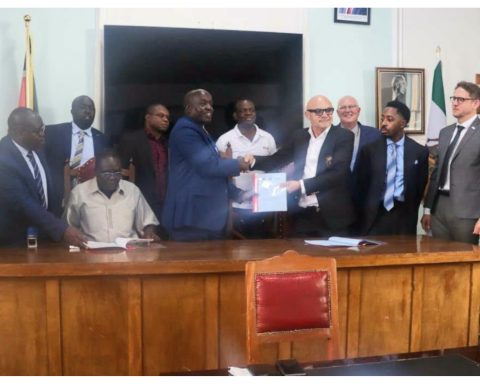
This directive follows deliberations between the committee and county leadership at Parliament Buildings regarding the governance, financial sustainability, and administrative operationalization of Kenya’s newest city.
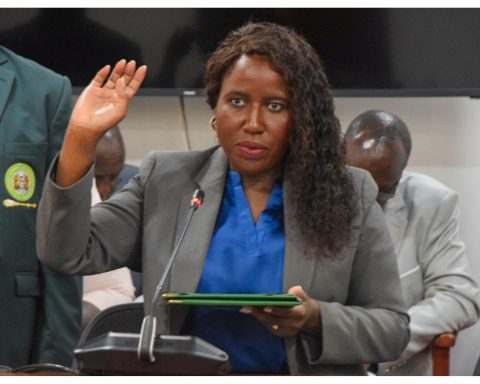
During the session on Monday, September 7, 2026, lawmakers expressed deep concerns over the city’s current financial trajectory and its ability to fund critical infrastructure projects.
Senators pointed out that the current annual collection figures remain inadequate to support the expansive demands of the rapidly growing urban center.
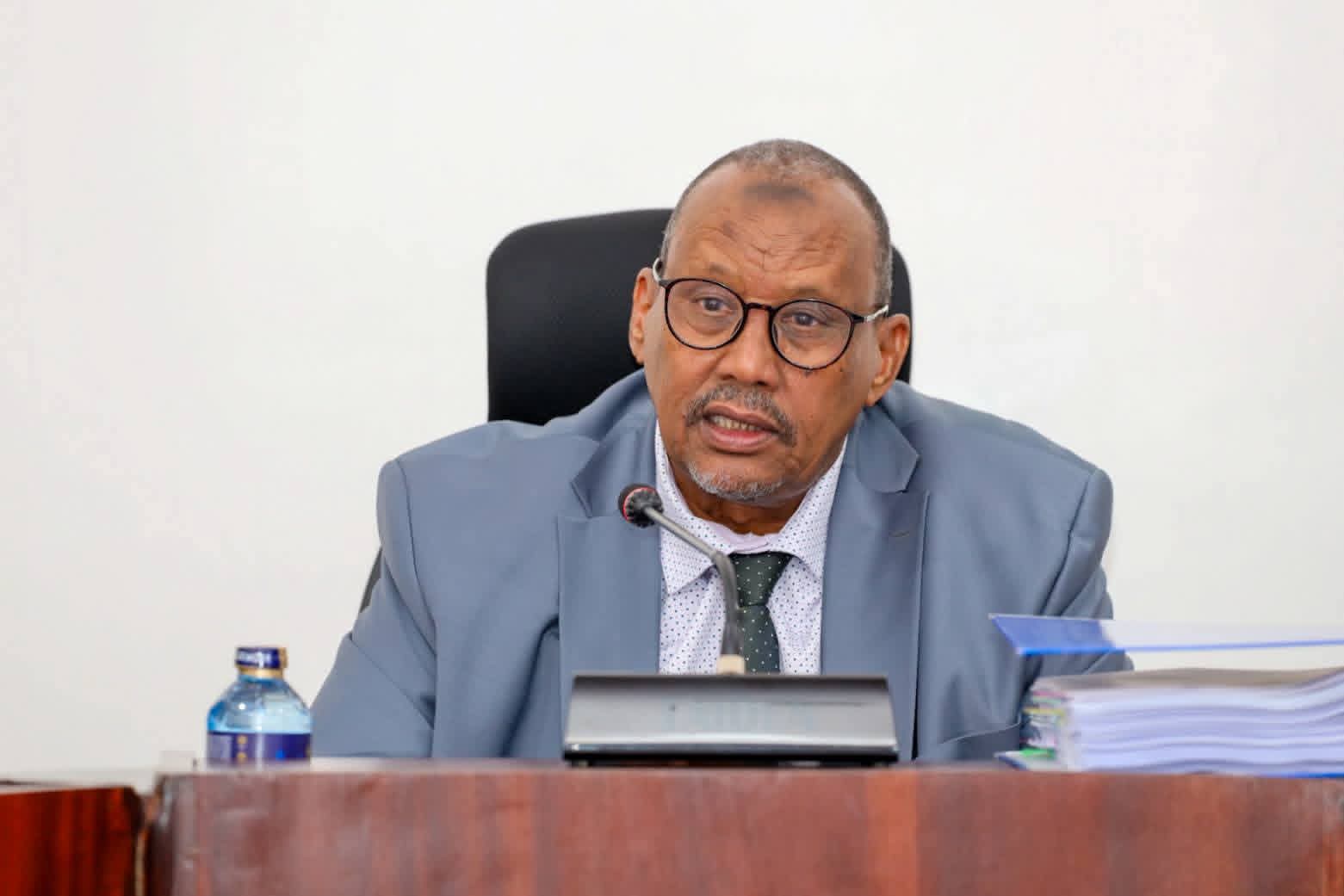
“This is a new city, and your revenue streams are still limited. You are collecting annually Ksh 1.2 billion. Will this amount of money sustain the city?” posed the Committee Chairperson and Wajir Senator Mohamed Abbas, emphasizing that a billion shillings cannot meet the basic service delivery and infrastructural requirements of the area.
How much revenue is collected by Eldoret City board?
Members of the Committee highlighted that despite total county revenue collections reaching Ksh 6.45 billion over six years, with Eldoret City accounting for Ksh 5.048 billion of that total, the city’s independent revenue generation remains a bottleneck.
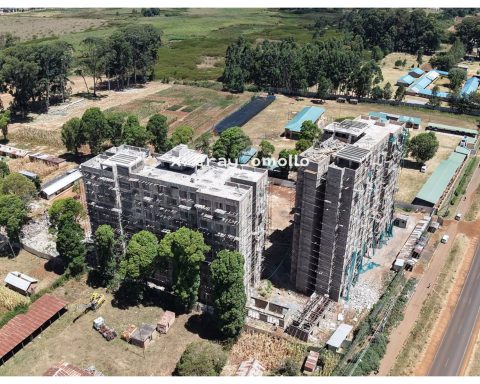
Lawmakers noted that without aggressive revenue enhancement strategies, the operationalization of transferred functions like infrastructure, waste management, and public amenities will face severe funding gaps.
“The city is actually a growing city that needs a lot of infrastructure development. With the minimum collections you’re making, you will not be able to sustain its function and provide services to the residents,” Senator Abbas added.
Senator Margaret Kamar questioned whether the revenue collection system was fully automated and covered every corner of the city, noting that the collections remain extremely low compared to other cities that have appeared before the committee.
Joining the critique, Senator Chute pointed out that revenue collection in the county had systematically dropped from Ksh 1.1 billion in the 2020/2021 financial year to Kshs1.058 billion in 2025/2026, warning the county executive that Eldoret risks slipping back into a municipality if revenue trends do not improve.
How much is collected from county hospitals in Eldoret?
Responding to the Senators’ concerns, Governor Bii explained that the county’s official figures had not factored in revenue collected from health facilities due to appropriations in aid regulations.
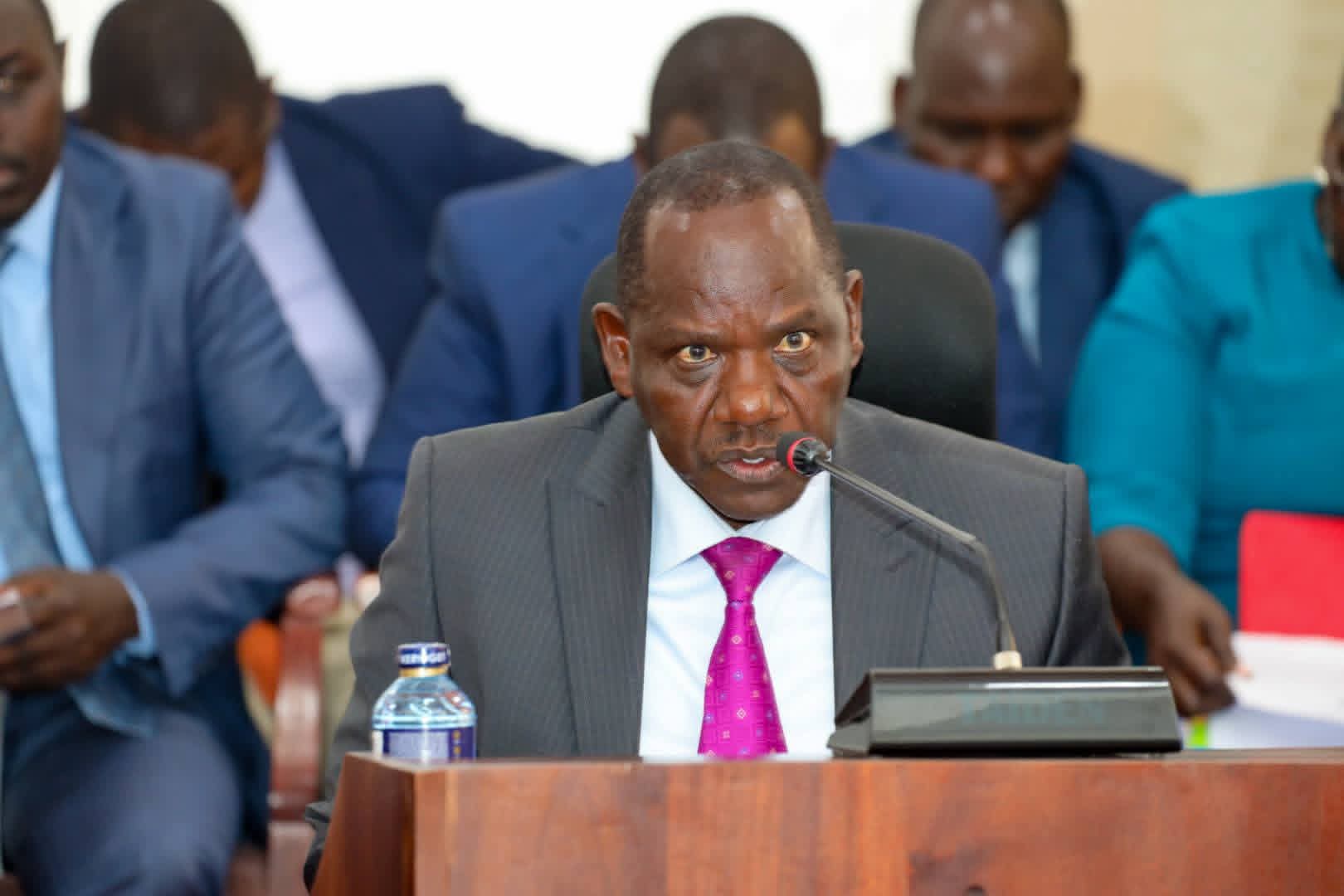
He noted that once hospital revenues are fully incorporated, the city’s actual own-source revenue stands at Kshs1.7 billion, further outlining that the city board is developing a comprehensive strategy to tap into Eldoret’s strong positions in sports, medical services, agriculture, logistics, and education.
“There are ongoing efforts to grow revenues through local infrastructure expansion and international collaborations, including a newly established sister-city investment relationship with the City of Minneapolis in the United States,” the county boss submitted.
Beyond revenue performance, the session addressed serious concerns regarding human resource balance and compliance with national diversity mandates.
Eldoret City board, staff ethnic composition
Committee members put the county leadership to task over the composition of the city board and staff establishment, observing that 90 per cent of employees were drawn from a single community.
Senator Catherine Mumma, the Vice Chairperson of the Committee, warned that non-compliance with the constitutional requirement for inclusivity exposes the board to legal challenges and potential nullification.
Senator Hezena Lemaletian, on her part, reminded the Governor that Eldoret serves as the primary urban hub for the entire Rift Valley region, making equitable representation for all Kenyan communities a priority.
In response to the committee’s directives on diversity, Governor Bii committed to reviewing the city board’s legal framework and recruitment mechanisms to ensure subsequent appointments reflect the face of Kenya.
The committee granted the county executive time to review the board list, rationalize its human resource structures, and submit a detailed revenue expansion roadmap to ensure the city achieves financial and operational sustainability.