


Potato farming in Kenya is set to receive a shot in the arm following the lifting of a 10-year ban on Genetically Modified Organisms (GMOs).
A cabinet meeting chaired by President William Ruto on Monday, October 3, 2022, resolved to lift a ban on GMOs, paving way for their cultivation and importation.
The move has already been lauded by a section of biotechnology scientists in the country.
Eric Magembe, one of the biotechnology scientists says the cabinet decision of lifting the ban on GMOs is a quest to fulfilling the president’s promise on the development of the economy.
Magembe believes production is set to go higher with the use of modern technology.

“Production of crops such as potatoes, cassava and bananas through genetic engineering methods of production will lead to increased yields to sustain the country because the crops are drought, pests and disease- resistant,” says the biotechnologist.
On his part, Douglas Miano, Principal Investigator for Virus Resistant Cassava says that their toil in laboratories assures food security in the country. He points out that not only the scientists and the farmers will benefit from GMO crops, but also Kenya’s population.
“The task is now ours as scientists now that the President has built our morale to take part in taking forward the food production sector through the production of quality seeds in our laboratories for our farmers and to make sure the population is sustained by the yield of our seeds. We are grateful to the president for making us feel appreciated,” said Miano.
Drop in potato production
Potato production in Kenya was at 22.5 tons per hectare 10 years ago.
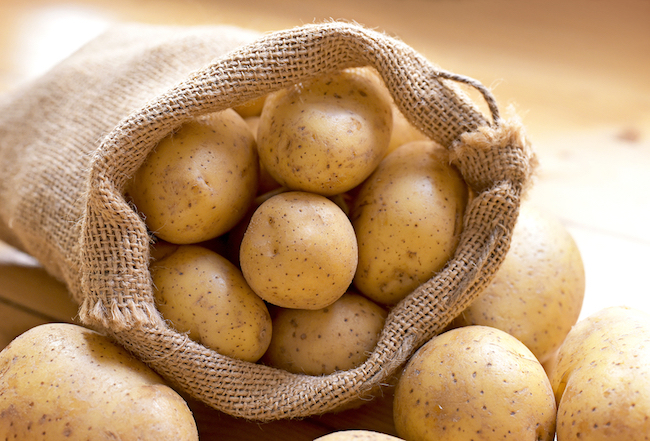
However, it reduced to around 7 tons per hectare due to low-quality seeds and harsh climatic conditions.
Counties which lead in potato production in Kenya including Nyandarua, Kiambu, Uasin Gishu, Nandi, Baringo, Nyamira, Elgeyo Marakwet and West Pokot will benefit from the lift of the GMO ban, making it possible for Kenya to bring to an end importation from various countries for high-end consumers and market segments.
More so, Kentucky Fried Chicken (KFC) firm which used to import potatoes from Egypt due to Kenya’s low-quality potatoes will start sourcing locally because according to the scientists, the quality will increase.
Further, the quantity to produce potato chips, and crisps among other recipes will also increase leading to a reduced price of these products.

A cabinet in November 2012 imposed a ban on GMOs in Kenya. At the time, Beth Mugo who by then Minister for Public Health and Sanitation said that the evidence concerning the safety of GMO food was inadequate.
Kenya now becomes the third country in Eastern Africa to embrace GMOs after Ethiopia and Sudan.