
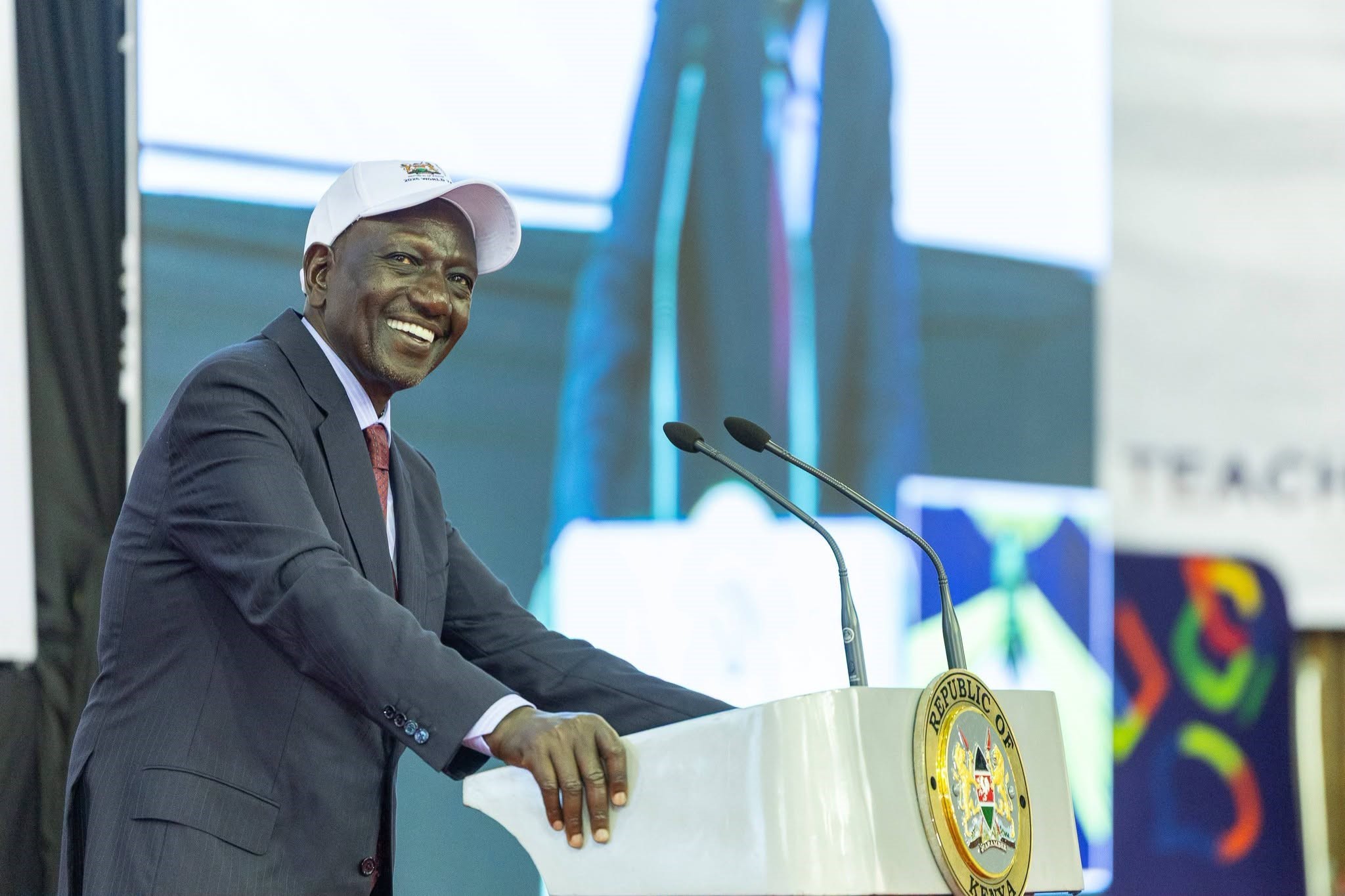
President William Ruto has defended his administration’s agricultural reforms, saying investments in subsidised fertiliser, livestock production and expanded export markets are delivering better returns for farmers across the country.
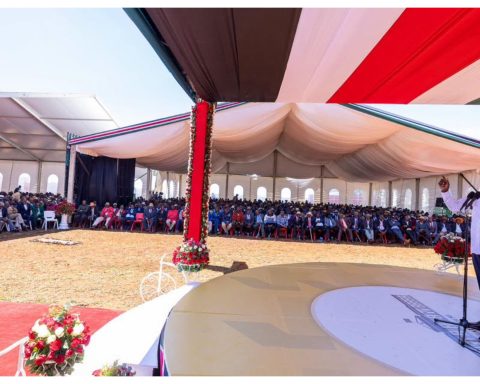
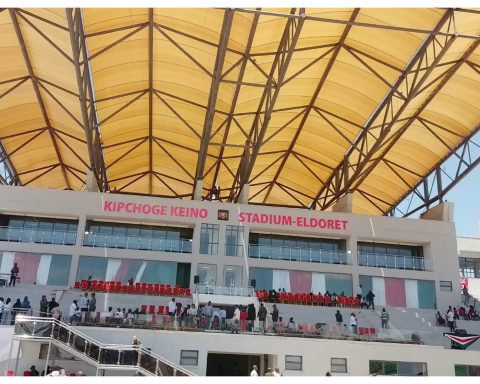
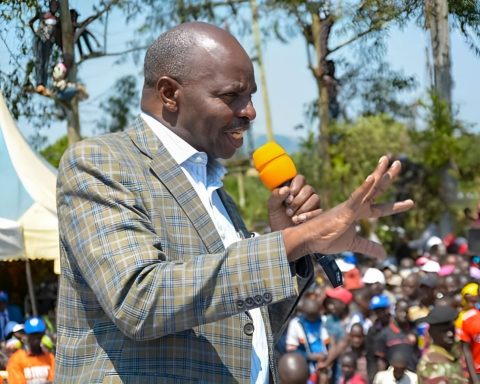
Speaking during the Mashujaa Day celebrations in Eldoret, the President said the government’s fertiliser subsidy programme had significantly boosted food production and reduced the country’s reliance on grain imports.
According to Ruto, the government distributed more than 43 million bags of subsidised fertiliser in 2026, up from 38 million bags distributed in 2025.
He said the intervention helped increase maize production from 34.3 million bags in 2022 to 71.6 million bags in 2025. As a result, maize imports dropped substantially from 9.1 million bags to 3.2 million bags over the same period.
“These reforms are improving returns to farmers across the country,” the President said.
Milk production and cost in Kenya
Ruto also highlighted gains in the dairy sector, saying national milk production had increased by more than one billion litres, while producer prices had risen from about KSh35 per litre to nearly KSh60 per litre.
He announced that dairy farmers would begin earning even more from this month.
“Beginning this month, dairy farmers will earn KSh65 per litre, with a bonus of KSh2 per litre to be paid every quarter,” he said.
The President noted that the gains were already being felt in the North Rift region, one of Kenya’s leading milk-producing areas.
Livestock sector support
Ruto said the government was also strengthening livestock production through expanded artificial insemination services and animal health programmes. He revealed that the cost of semen used for artificial insemination had been reduced from KSh8,000 to KSh1,000, making the service more affordable for farmers.
Additionally, the government has vaccinated more than 22 million livestock and restocked over 52,000 animals in affected areas.
The President further said livestock insurance coverage had been expanded through the government programme, benefiting about 1.6 million pastoralists in 21 counties.
New export markets for Kenyan farmers
The Head of State attributed part of the sector’s growth to efforts aimed at opening new international markets for Kenyan agricultural products.
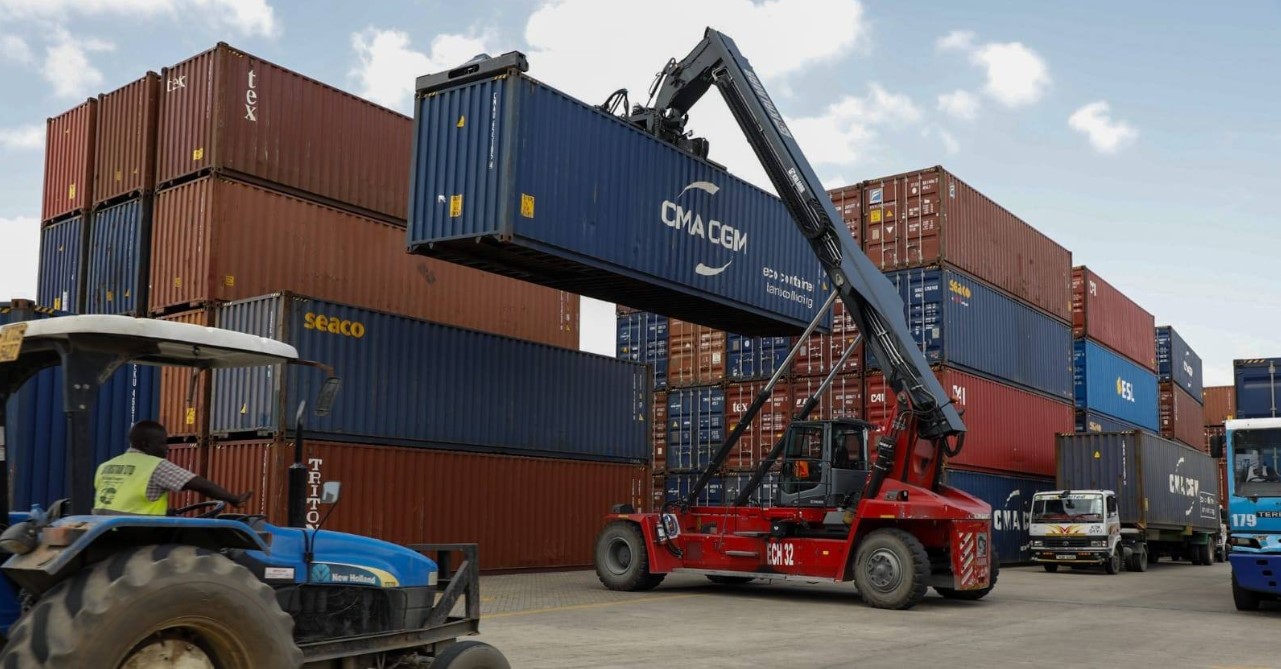
He cited the economic partnership agreement signed with the European Union in 2024 and a comprehensive economic agreement with the United Arab Emirates signed in 2025 as key milestones in expanding export opportunities.
Ruto also said Kenya was pursuing greater access to markets in China and the United States through the African Growth and Opportunity Act (AGOA), alongside ongoing negotiations for a broader trade agreement with Washington.
He said the government’s goal was to ensure Kenyan farmers and producers benefit from increased access to international markets while earning better prices for their products.
The President used the Mashujaa Day celebrations to reaffirm his administration’s commitment to agriculture, describing the sector as a key pillar of economic growth, food security and job creation.