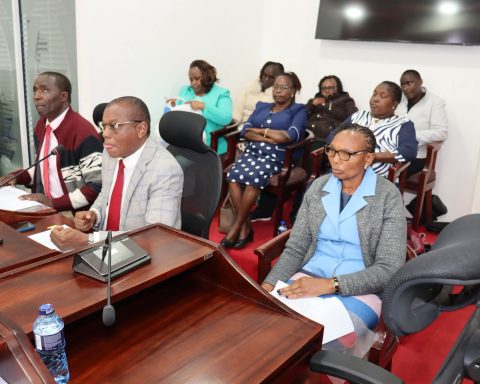
The National Assembly Education Committee, chaired by Tinderet MP Julius Melly, has commenced public participation on six proposed Education Reform Bills, seeking views from members of the public.
The Bills are the Tertiary Education, Placement and Funding Bill; Pre-Service Education and In-Service Training Bill, 2026; Basic Education (Amendment) Bill, 2026; Kenya Institute of Curriculum Development (Amendment) Bill, 2026; Kenya National Educational Assessments Council Bill, 2026; and Kenya National Qualifications Framework (Amendment) Bill, 2026.
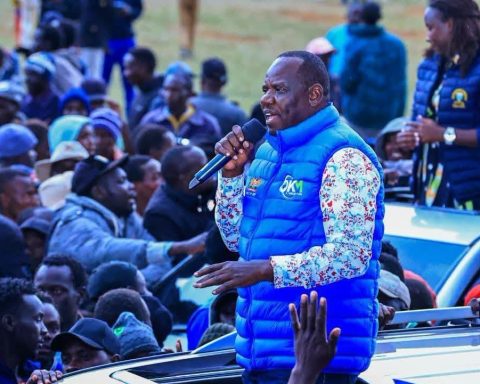
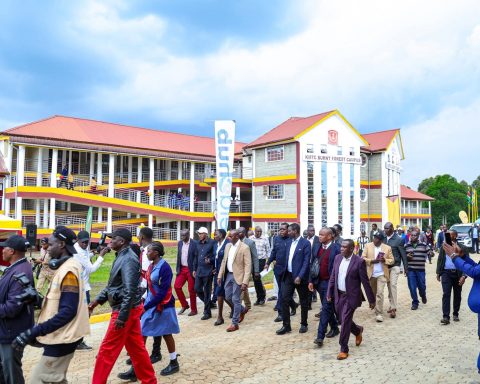
On Monday, September 14, 2026, the Committee collected views from residents of Uasin Gishu and Elgeyo Marakwet Counties, with stakeholders raising a range of issues touching on access to education, student placement, teacher management, curriculum development, assessment and funding.
What Elgeyo Marakwet residents said about proposed education reforms
In Elgeyo Marakwet County, participants called for reforms that would make student placement into universities and TVET institutions more transparent and equitable. They noted that placement should take into account learners’ individual circumstances, interests and abilities.
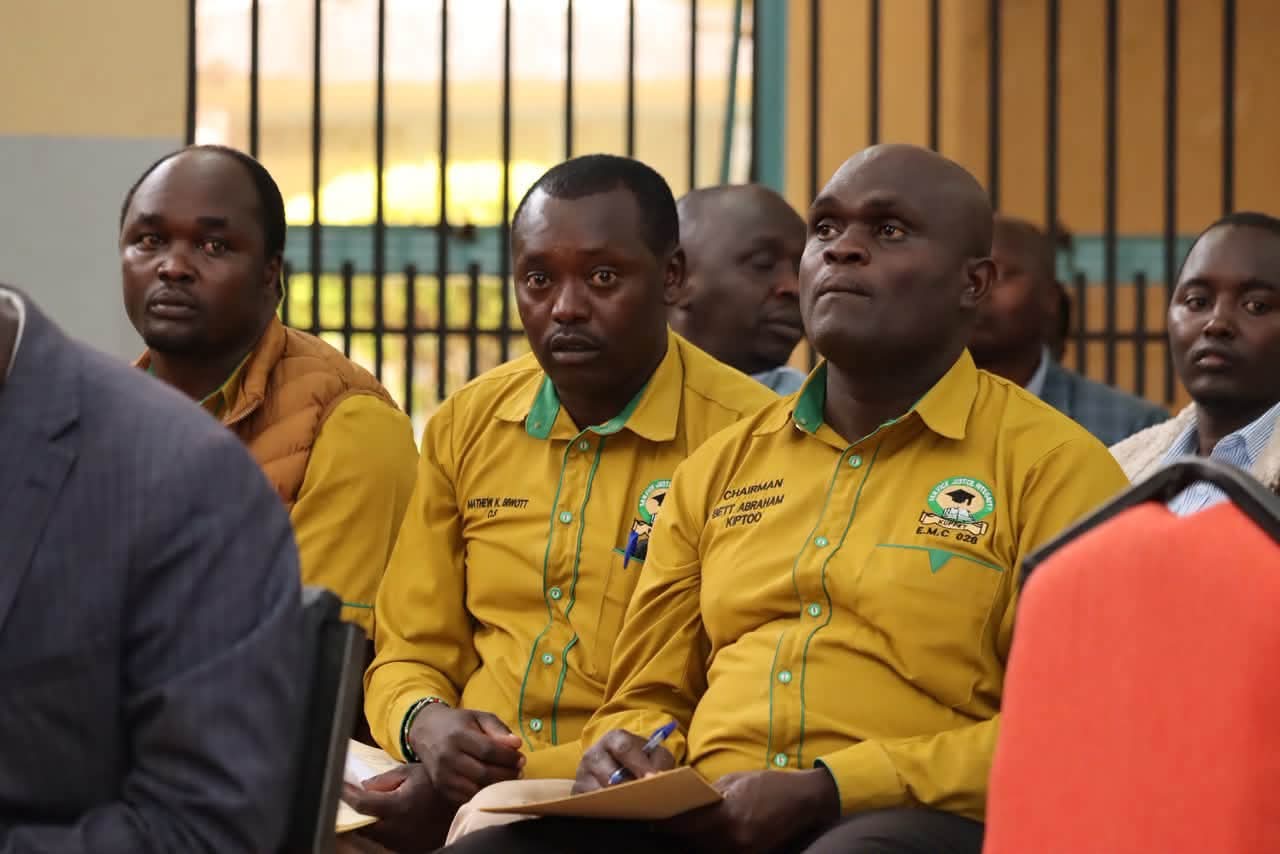
On tertiary education funding, participants proposed zero-interest student loans and called for flexible repayment arrangements, including allowing beneficiaries to begin repaying their loans after a reasonable grace period.
They also called for a smooth transition of learners from secondary school to tertiary institutions.
Stakeholders further called for the institutionalisation of Centre for Mathematics, Science and Technology Education in Africa (CEMASTEA), related teacher training programmes, strengthened guidance and counselling in schools, and greater transparency in the management of teachers and Boards of Management.
In Uasin Gishu County, participants raised concerns over teacher welfare and the need for the Government to ensure adequate staffing and timely remuneration of teachers.
They also called for stronger support for TVET institutions and improved access to quality education, including consideration of free education at the early childhood level.
The stakeholders further called for clear categorisation and management of public primary, junior secondary and special schools, as well as stronger mechanisms to support learners with special and multiple needs.
Proposals on Kenya’s education reforms
On education governance, participants emphasised the need to maintain the independence of key education institutions and called for clarity on the respective mandates of institutions responsible for curriculum development, assessment and teacher management.
They also proposed that parents’ representatives remain part of Boards of Management (BoMs), while calling for continuous teacher promotion, timely resolution of teachers’ welfare issues and strengthened school management.
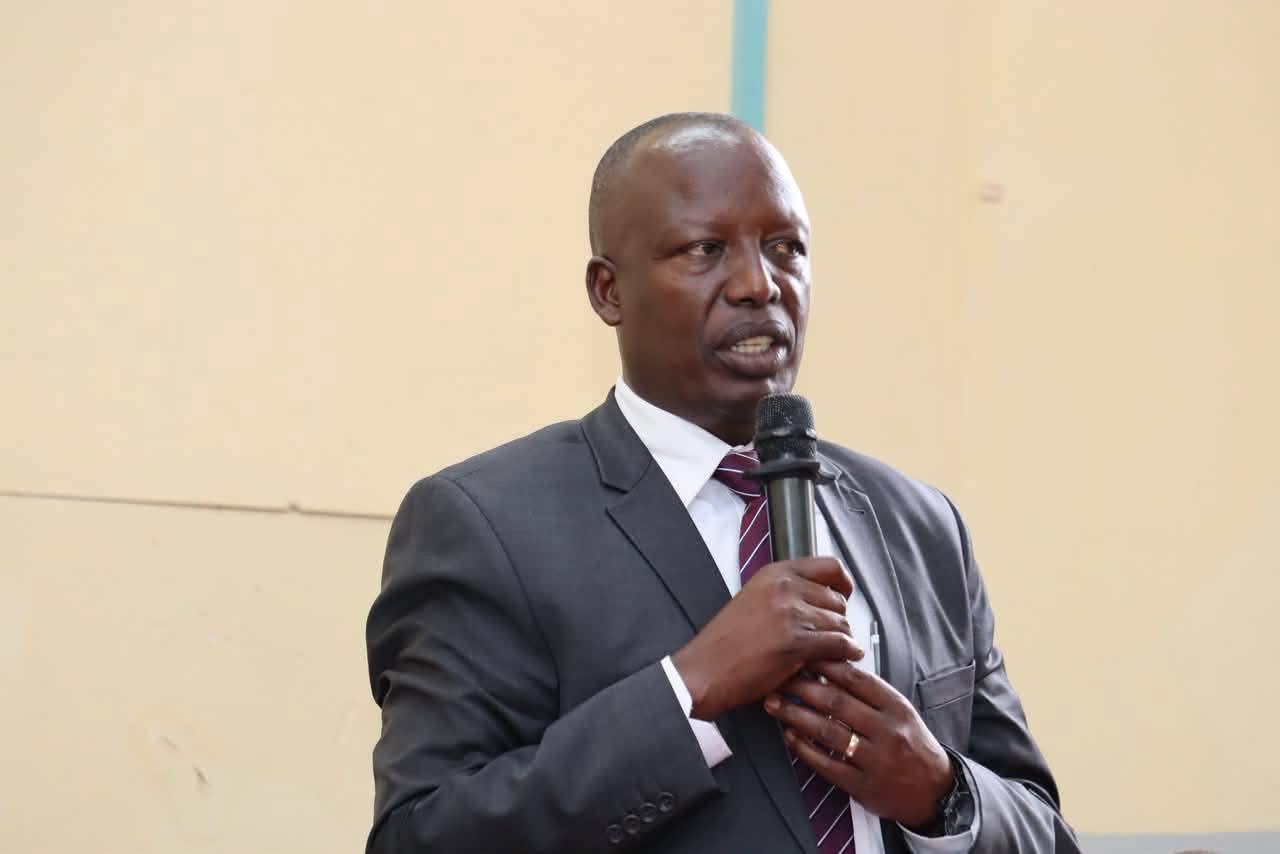
The public participation forums form part of the Committee’s consideration of the proposed legislation before it makes recommendations to the National Assembly.
Additionally, the exercise provides members of the public and education stakeholders with an opportunity to contribute to the development of legislation that will shape the future of Kenya’s education sector.
The Committee is scheduled to continue with the engagement in Trans-Nzoia and Kakamega Counties, on Tuesday, September 14, 2026.