

The County Government of Trans Nzoia and West Pokot are finalising the development of the Saiwa Integrated Management Plan, a document expected to guide conservation of the Saiwa Swamp ecosystem.
The plan is being developed by the Department of Lands, Physical Planning, Housing and Urban Development with support from the Food and Agriculture Organization (FAO) under the Digital Lands Governance Programme.
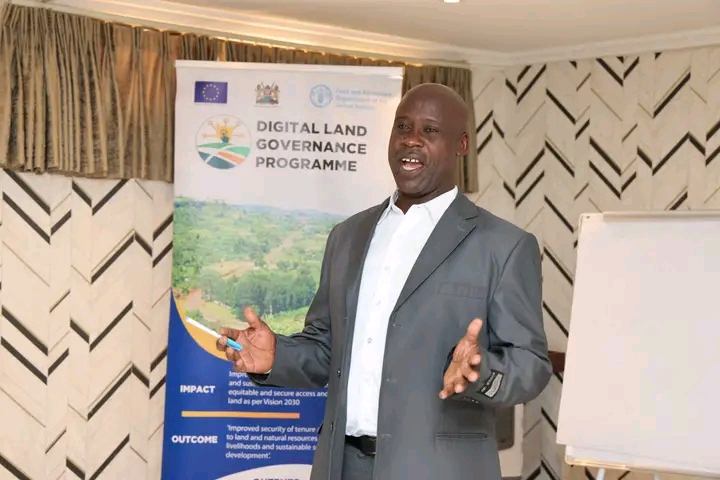
Speaking during the opening of a technical workshop, Trans Nzoia County Director for Water, Environment and Natural Resources and Climate change, Godfrey Wekesa, said the document is crucial for it is going to help the protection of the ecosystem which runs across the two Counties.
“Trans Nzoia sits between Kenya’s two water towers. Conserving Saiwa wetlands is key to protecting these catchment areas,” Mr Wekesa said. “This plan will be our guiding tool to ensure the wetlands are maintained and safeguarded.”
Saiwa catchment
He noted that the Saiwa catchment is also vital to the county’s economy, hosting Saiwa Swamp National Park with endangered species such as the Sitatunga antelope and Colobus monkeys.
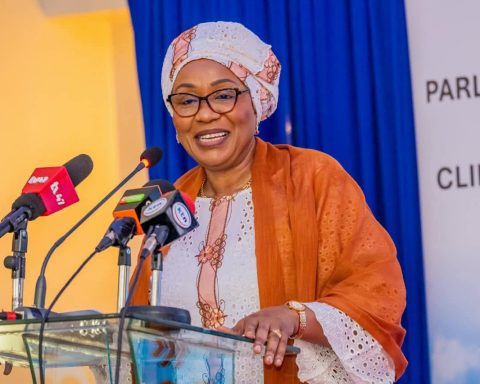
On her part, County Director of NEMA, Sally Tirimba, said the plan will help address climate change. “We are already seeing delayed rains and unpredictable weather affecting farming. This document will help us reverse the effects and improve resilience,” she said.
FAO regional representative Lindah Achieng said the workshop was meant to refine the draft plan.
“The inputs of environmental stakeholders are important. Technical teams from government agencies have the knowledge needed for implementation,” she said.
She stressed the need for a comprehensive approach. “We must involve all stakeholders to address human activities, habitat degradation, and climate change. The plan will identify best practices in wetland management and link conservation to sustainable development.”
Importance of Saiwa Wetland Integrated Plan
NEMA national representative Caro added that the plan will balance conservation with community needs.
“Saiwa has been a site of conflict between conservation and agriculture. This plan reconciles those pressures while supporting food security,” she said.
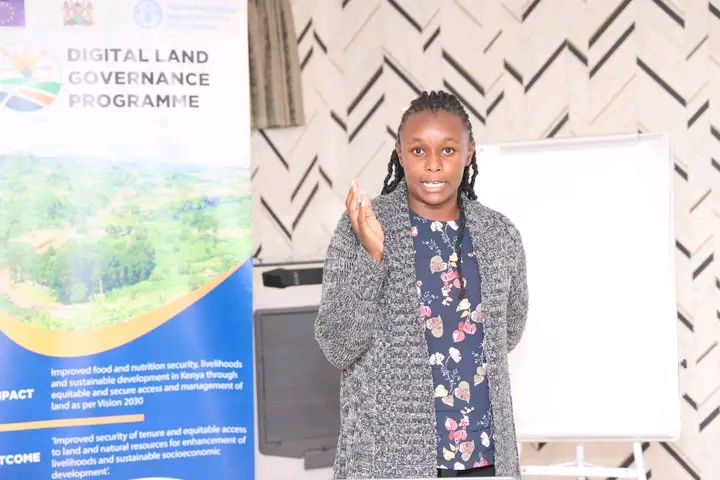
She noted that the park also draws nature tourism through boardwalks and tree-platform viewing. “A management plan that balances conservation with community use supports both environmental and economic goals,” Caro said.
The workshop ended with a plenary session to ensure ownership of the document. Officials concluded that adoption of the Saiwa Integrated Management Plan is crucial to balance agriculture, biodiversity, and community livelihoods in Trans Nzoia.
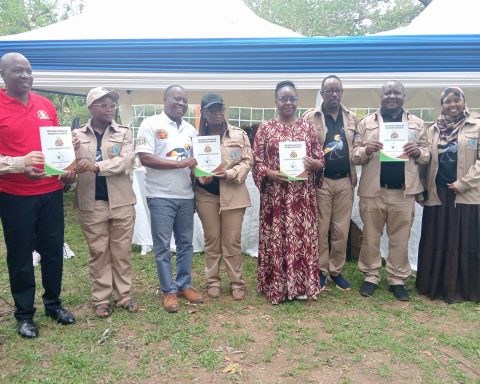
The Saiwa Integrated Management Plan technical working group brings together officials from Trans Nzoia and West Pokot counties, alongside national government officers and key stakeholders actively engaged in the Saiwa Swamp ecosystem.