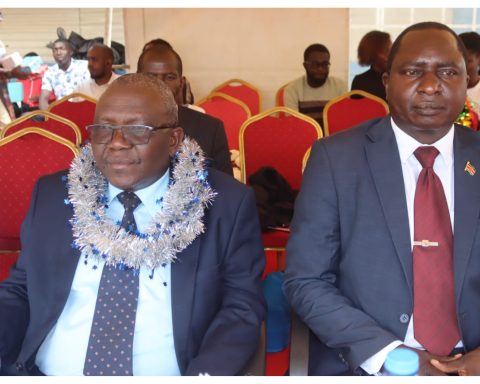

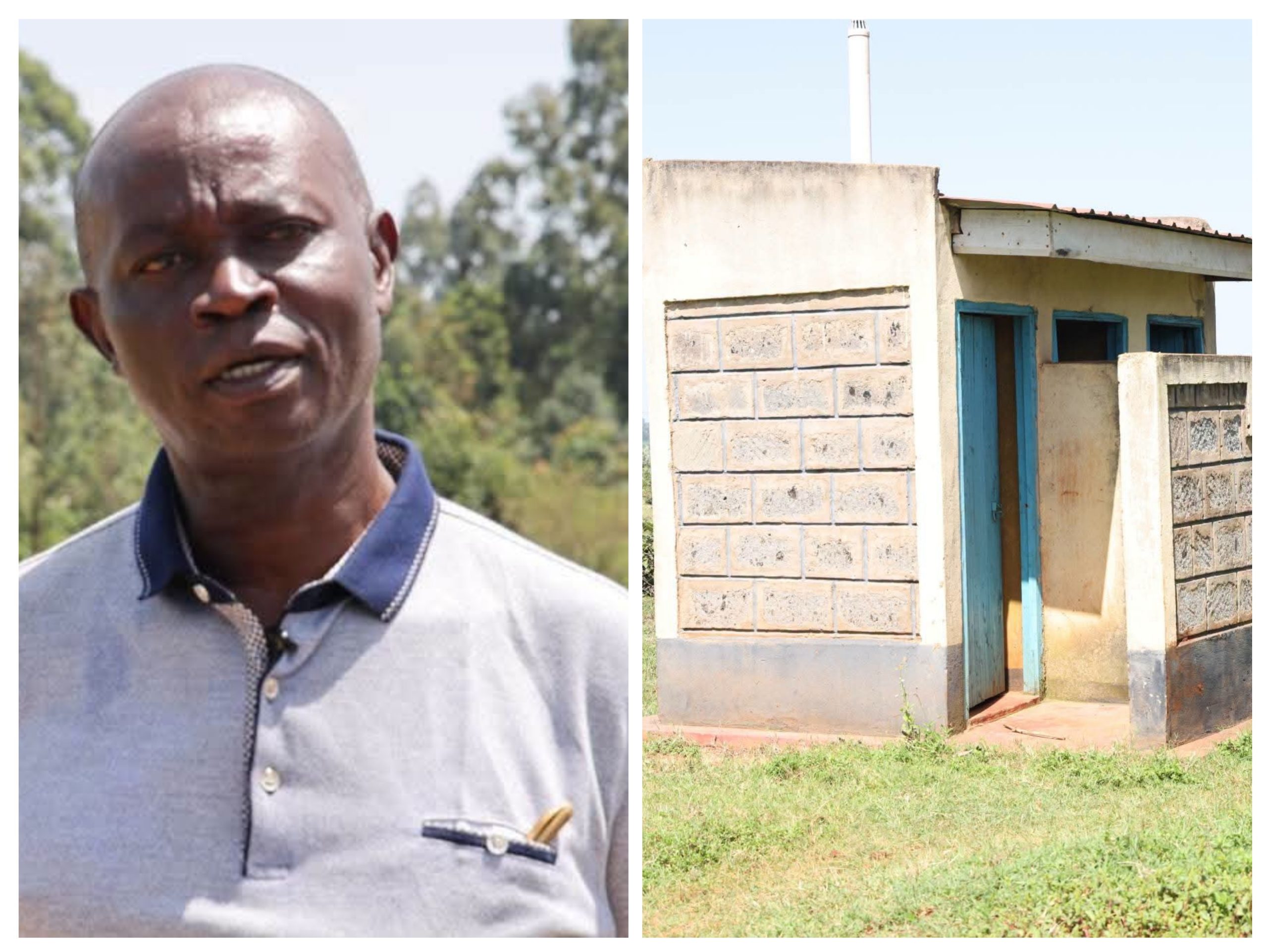
The County Government of Trans Nzoia, working with WASH Alliance Kenya, AMREF Health Africa, Global Alliance for Elimination of NTDs Kenya, and the End Fund, has stepped up efforts to eliminate open defecation through toilet construction and health education.
County NTDs Coordinator Dr. Norbert Wesonga Musundi said sensitization has reached schools, households, and markets through the engagement with the Community health promoters and the Change agents⁰.
“We have used puppetry in schools, CHPs in villages, and community champions like bodaboda leaders, traders, and faith groups. They are trained as TOTs and help spread the message,” he said.
Over 380 schools have been visited by public health officers to ensure toilets and handwashing points are in place. Pupils have been sensitized on hygiene and the dangers of NTDs.
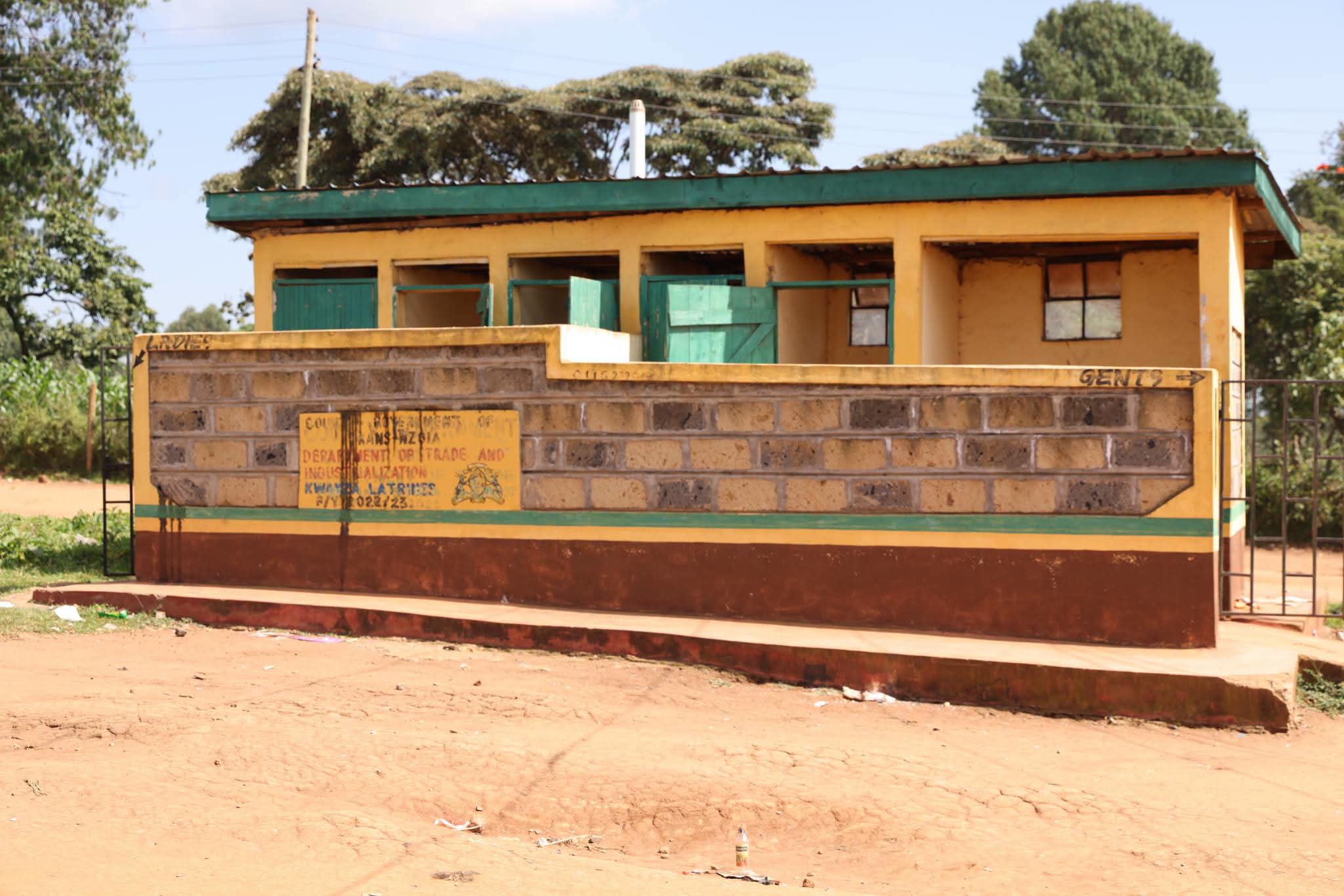
What is latrine cover in Trans Nzoia County?
In Keiyo Ward, every household is now required to have a toilet. Dr. Musundi said latrine coverage was very low in 2021, with 12 villages at high risk.
“Through community‑led total sanitation, we expect to declare those villages open defecation free by June. Already, latrine use has improved and cases have gone down,” he said.
Kwanza Sub County PHO Mercy Obonyo said households are encouraged to build pit latrines or share with neighbours.
“Our main role is to ensure each household has a toilet. That is the only way to stop these diseases,” she said.
Ward PHO Maxwell Isanya confirmed a sharp drop in diarrhoea cases.
“Previously we recorded 10 to 15 cases daily. Now it is none or one in a month,” he said.
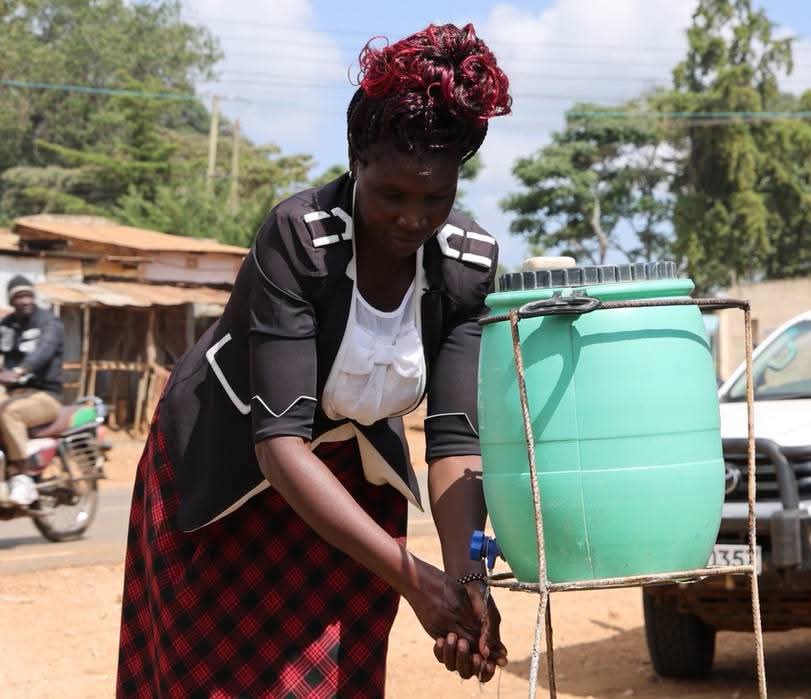
Assistant Chief Simion Kwemoi said enforcement has helped. “We summon households without toilets and encourage them. Many have complied. Toilet coverage has improved,” he said.
Challenges in effort to end open defecation in Trans Nzoia
Challenges remain. Some toilets collapse during rains or are built with weak materials like nylon sheets. Poverty also makes construction difficult.
Community Health Promoters have stepped in to support vulnerable families. In Siambe village, CHPs contributed posts and nails to build a toilet for one household.
“The family is now doing well because they have a place to go,” said CHP Alice Issiah.
Partners praised the community spirit. Noel Awa said residents are finding ways to build toilets despite limited resources.
“In Siambe, people came together and built a toilet with the few materials they had. It is a good move,” she said.
The County now hopes to sustain progress and declare more villages open defecation free, reducing the burden of neglected tropical diseases.