
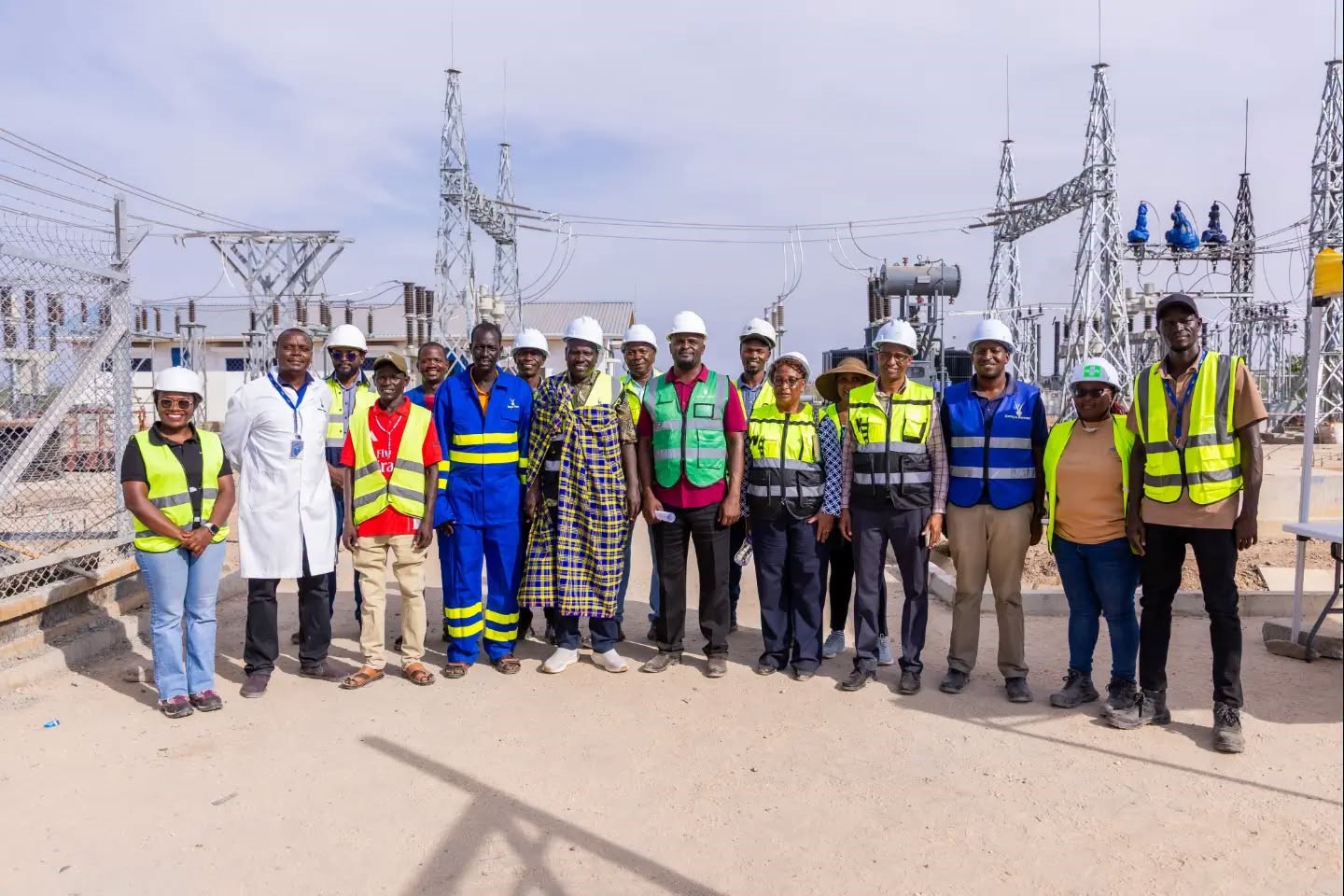
For the first time since Kenya’s independence, Lodwar town and its environs are set to be connected to Kenya’s national electricity grid, marking a historic milestone for the region.
Kenya Power is nearing completion of two projects that will bring a new dawn to Lodwar, the commercial hub of Turkana County, Kenya’s largest county by geographical size.
The Company is constructing a 66/11kV Lodwar substation and a 90-kilometre 66kV power line between Lokichar and Lodwar, which will connect the town and its environs to the national grid.

Both projects are funded by the Government of Kenya at a combined cost of KSh 1.01 billion. Once complete, the line will deliver stable, clean and reliable electricity to more than 80,000 residents in Lodwar, powering homes, schools, hospitals, and businesses, while preparing the town to absorb future demand as it continues to expand. “This is one of those projects which we hold very dear to us.
Since independence, the people of this area and this county have depended on generators, which are not very effective, especially in this area, where the temperatures are quite high and running the machines on a 24-hour non-stop basis leads to breakdowns.
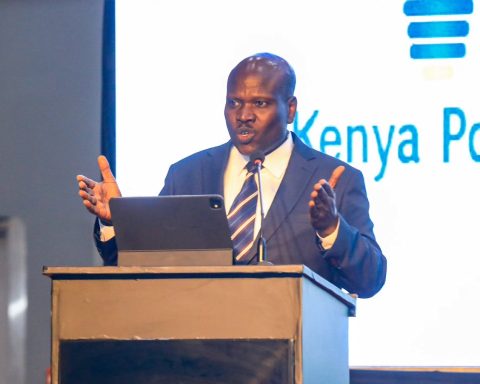
“Connecting this town to the grid means that the residents here will enjoy stable and reliable electricity to power their livelihoods,” said Kenya Power’s Managing Director & CEO, Dr. (Eng.) Joseph Siror.
Cost of powering Lodwar using diesel-powered generators
Currently, Lodwar town and its environs depend on diesel-powered generators, which the Company runs at an approximate annual cost of KSh 900 million. The generators have struggled to meet demand, especially under the county’s extreme temperatures, resulting in frequent breakdowns and power rationing.
Beyond providing reliable power supply to the residents, the new grid connection will eliminate fossil fuel emissions.
“The cost of extending the power line from Lokichar to Lodwar is almost the same as what we are currently using to fuel the generators in a year. Once these projects are complete, we are looking at a situation where what we are saving just in terms of diesel costs for a year is equivalent to the cost of building the line and the substation,” said Dr. (Eng.) Siror.

In addition to serving the current demand for electricity, the Lodwar grid connection is expected to catalyse growth in industries such as livestock trade, tourism, agribusiness and mining, among others, thereby creating employment opportunities for locals.
With the reliability of grid power, children will study for longer hours, ICT hubs and small & medium sized businesses will thrive, and access to vaccines and other critical healthcare supplies will be enabled at local hospitals and clinics, among other social benefits.