
Principal Secretary for Medical Services Dr Ouma Oluga has called for an integrated cancer response that connects early detection, sustainable financing, skilled healthcare workers and regional treatment capacity.
Delivering the keynote address at the Nairobi International Cancer Forum held at Emara Ole-Sereni Hotel on Monday, August 16, 2026, Dr Oluga said cancer services must be developed within a stronger and more equitable health system.
He welcomed the proposed Early Cancer Screening Programme in Kisumu and Homa Bay, noting that access to timely diagnosis and treatment should not be determined by a patient’s location or ability to pay.
“The question is not simply how we build more cancer services, but how we build a cancer response within a stronger, more equitable and sustainable health system,” the Principal Secretary said.
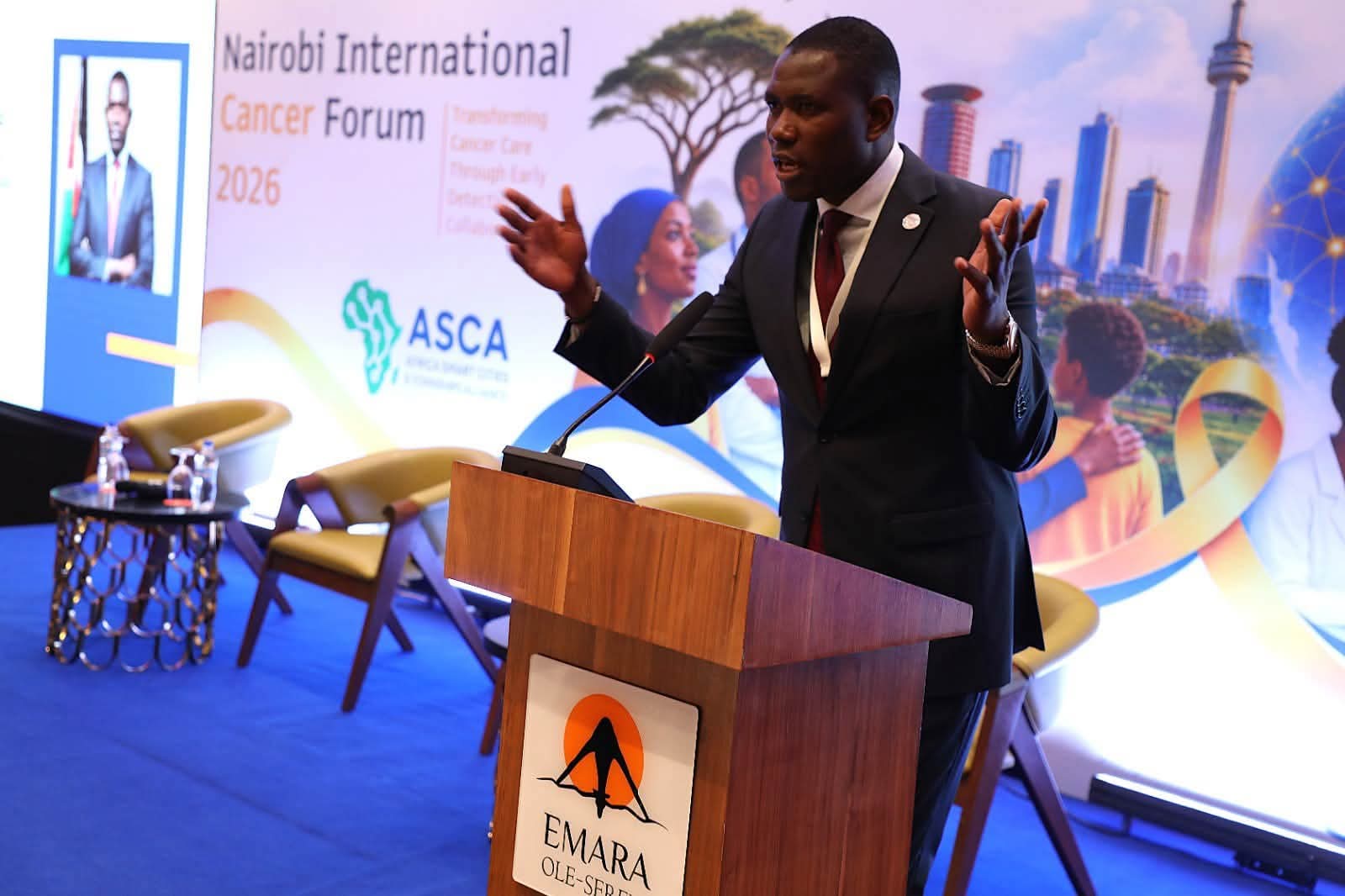
Dr Oluga identified the Social Health Authority as a critical part of improving access to cancer services. He said healthcare financing must support the entire patient journey, from prevention and screening to diagnosis, treatment, palliative care and follow-up.
The PS also emphasised that financing must be accompanied by transparency and accountability to ensure patients receive their entitlements, healthcare providers are reimbursed for legitimate services and public resources deliver measurable results.
He further called for continued investment in healthcare workers across all levels of the cancer-care pathway, including Community Health Promoters, primary healthcare teams, laboratory personnel, diagnostic specialists, surgeons, oncologists and palliative care providers.
“Cancer care does not begin at the cancer centre; it begins in communities and primary healthcare facilities,” he said.
He noted that screening programmes should be assessed not only by the number of people reached, but also by whether those with positive results proceed to timely diagnosis, referral and treatment.
Importance of digital health and innovation in cancer care
Digital health and innovation, he added, can connect screening, diagnosis, referral and treatment while expanding specialist knowledge beyond major hospitals. He cautioned against digitising fragmented services and called for technology to support an integrated patient pathway.
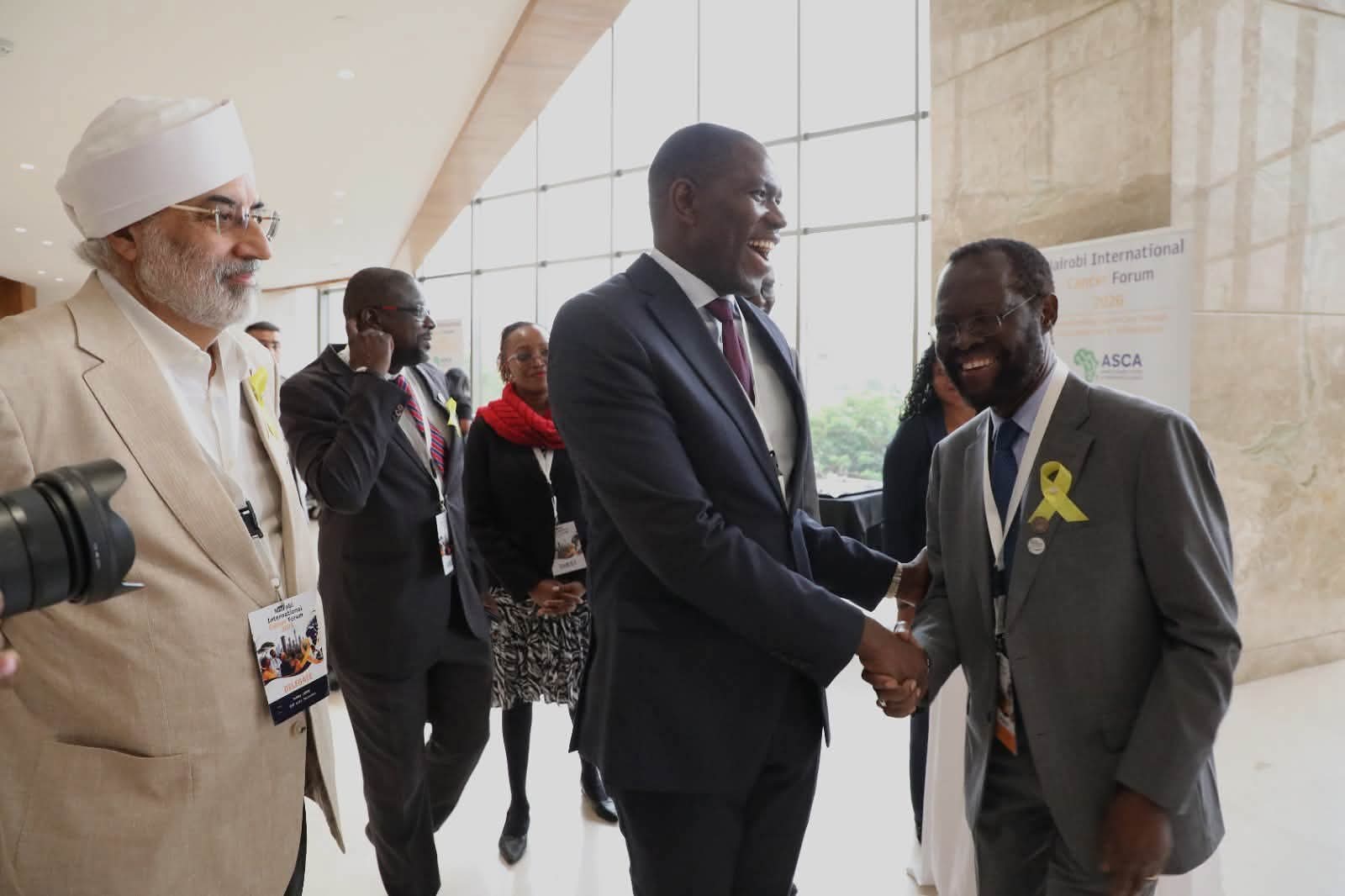
Dr Oluga said the proposed Chun Jeong-eun Nyong’o Cancer Centre in Kisumu could serve as a regional platform for prevention, diagnosis, treatment, training, research and specialist networking across the Lake Victoria region.
He further called for partnerships that strengthen Kenya’s health sovereignty by supporting local production of medicines, diagnostics and health technologies. International partnerships, he said, should leave behind skills, technology, research capability and sustainable investment.
The Principal Secretary urged stakeholders to build on existing investments in laboratories, surveillance, community health, maternal health and health information systems instead of establishing parallel structures.
He also called for the proposed partnership agreement to clearly define responsibilities, resources, targets and measures of success. Lessons from Kisumu and Homa Bay should inform the expansion of effective early-detection and coordinated-care models to other parts of the country.
“The future of cancer care will be determined by whether we can connect financing to services, primary healthcare to specialist care, screening to treatment, data to decisions, and international partnerships to local capability,” Dr Oluga said.
He reaffirmed the Government’s commitment to working with county governments, healthcare providers, academia, communities, the private sector and development partners to strengthen early cancer detection and expand regional cancer capacity.
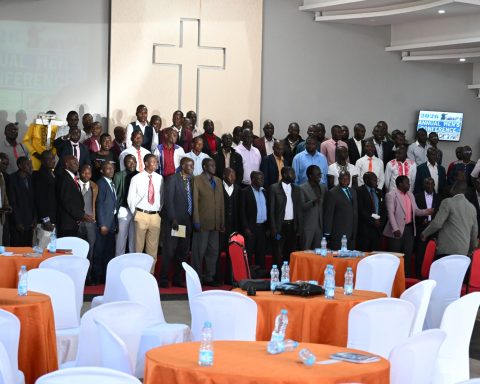
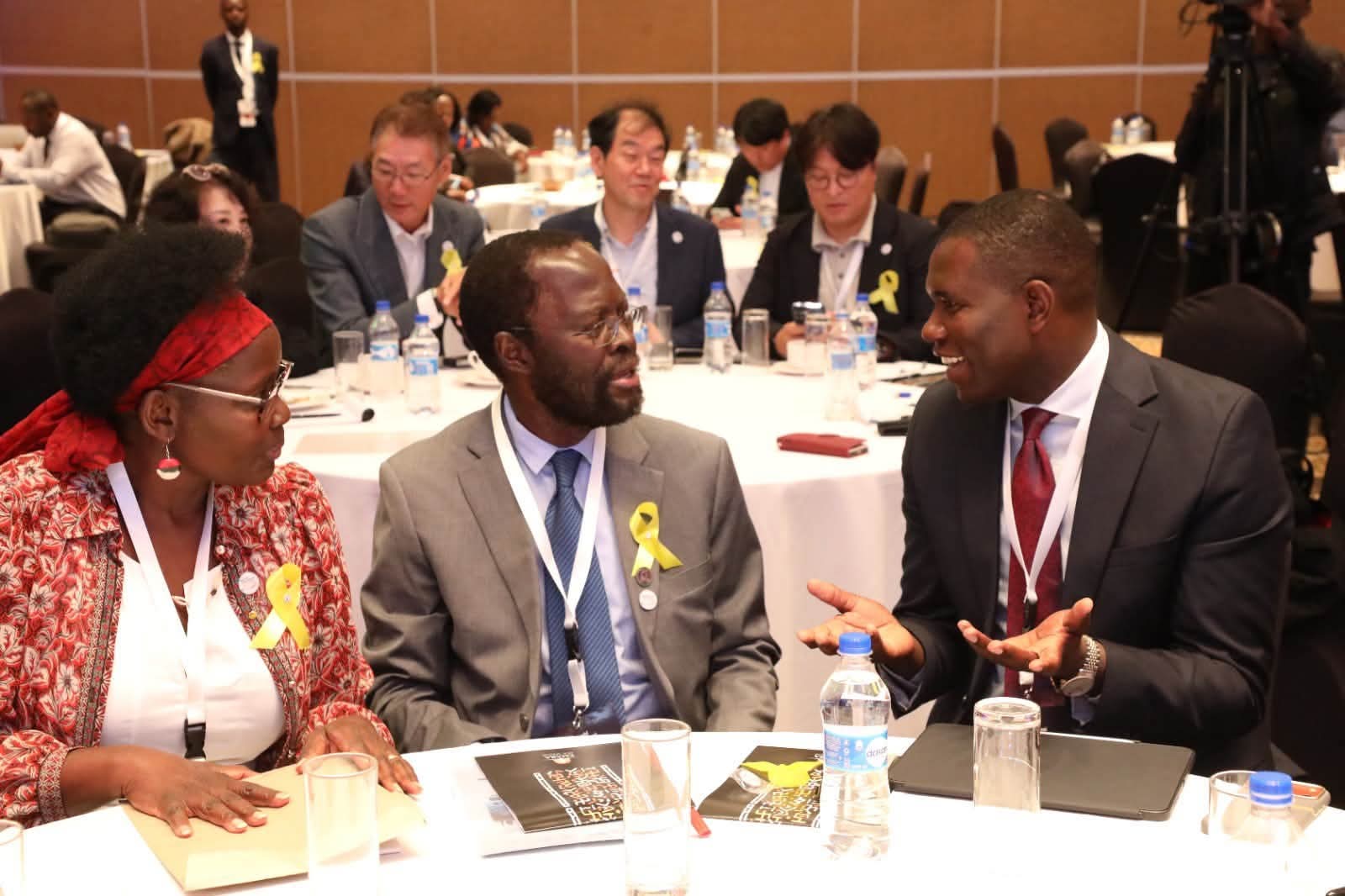
The Forum brought together national and county government representatives, development and international partners, the private sector, academia and civil society to advance collaboration in cancer prevention, diagnosis and treatment.