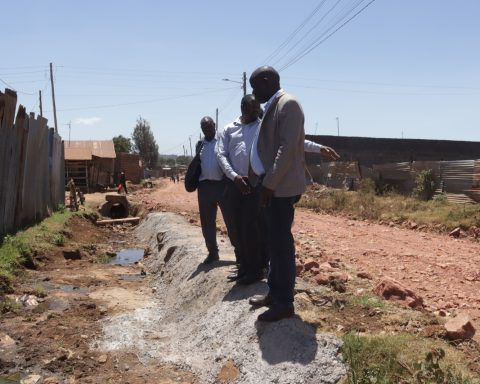

Uasin Gishu Governor Dr. Jonathan Bii Chelilim says his administration is investing heavily in water infrastructure to keep pace with Eldoret’s rapid growth.
Governor Bii said the county is reclaiming and desilting old dams, expanding water distribution networks and increasing access to water in municipalities and across the city.
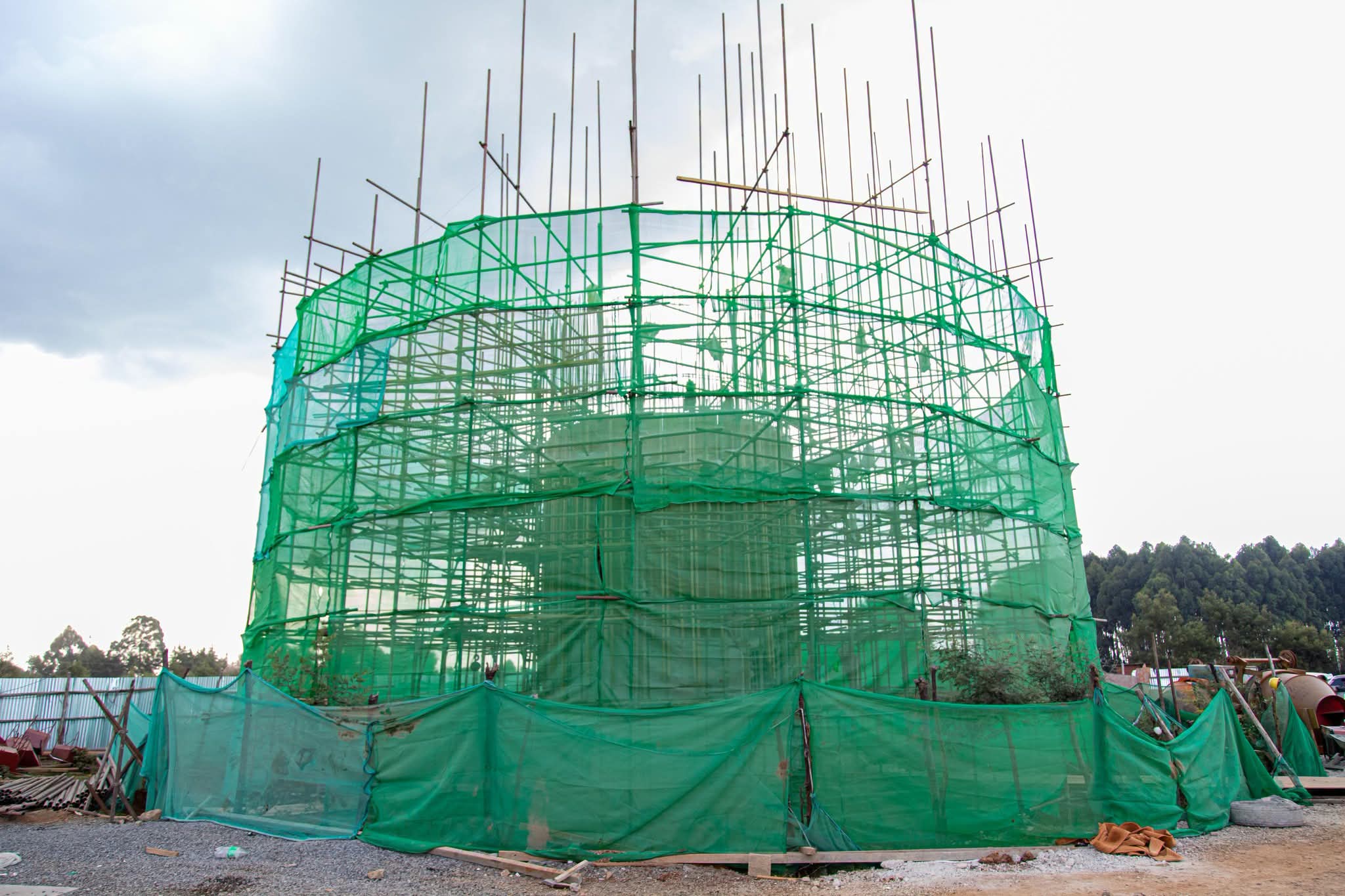
He noted that the ongoing Kipkarren Water Project and the pipeline to the city will further strengthen water supply in Eldoret and its environs.
The Governor spoke on Friday, October 2, 2026, during the bi-monthly meeting of the Water Services Providers Association (WASPA) held in Eldoret, where he challenged stakeholders in the water sector to build lasting water security.
“As Eldoret continues to grow, there is need for us to stay ahead of the demand for water,” Governor Bii said.
He called for enhanced partnership, investment and proper stewardship of water resources to guarantee sustainable supply for domestic and commercial use.
“This calls for partnership, investment and proper stewardship of our water resources,” he added.

Current water demand for Eldoret
Eldoret, which was elevated to city status in August 2024, has a daily water demand estimated at 60,000 to 65,000 cubic metres, against a production of about 43,000 to 47,950 cubic metres, leaving a significant deficit.
The city currently relies mainly on Chebara Dam in Elgeyo Marakwet County, which is the largest supplier and produces between 18,000 and 36,000 cubic metres per day, supplemented by other sources including Two Rivers Dam, Ellegirini Dam, Sosiani, Kapsoya and Naiberi treatment plants.
To bridge the gap, the county and the national government have lined up several projects. The Kipkaren Dam project is expected to supply 23,000 cubic metres daily to Kapseret, Langas and Kipkenyo wards, while the planned upgrade of Two Rivers Dam will raise its capacity to about 74,000 cubic metres per day and include a new 16.95 million cubic metre storage dam.
Other projects in the pipeline include Kerita, Elagerini and Endaragwa dams. The county is also rehabilitating over 300 colonial-era dams across Uasin Gishu to boost storage for domestic use and small-scale irrigation.