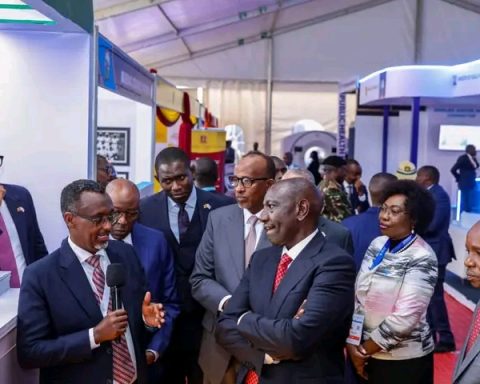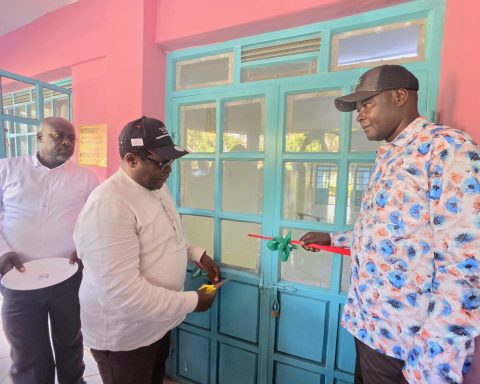

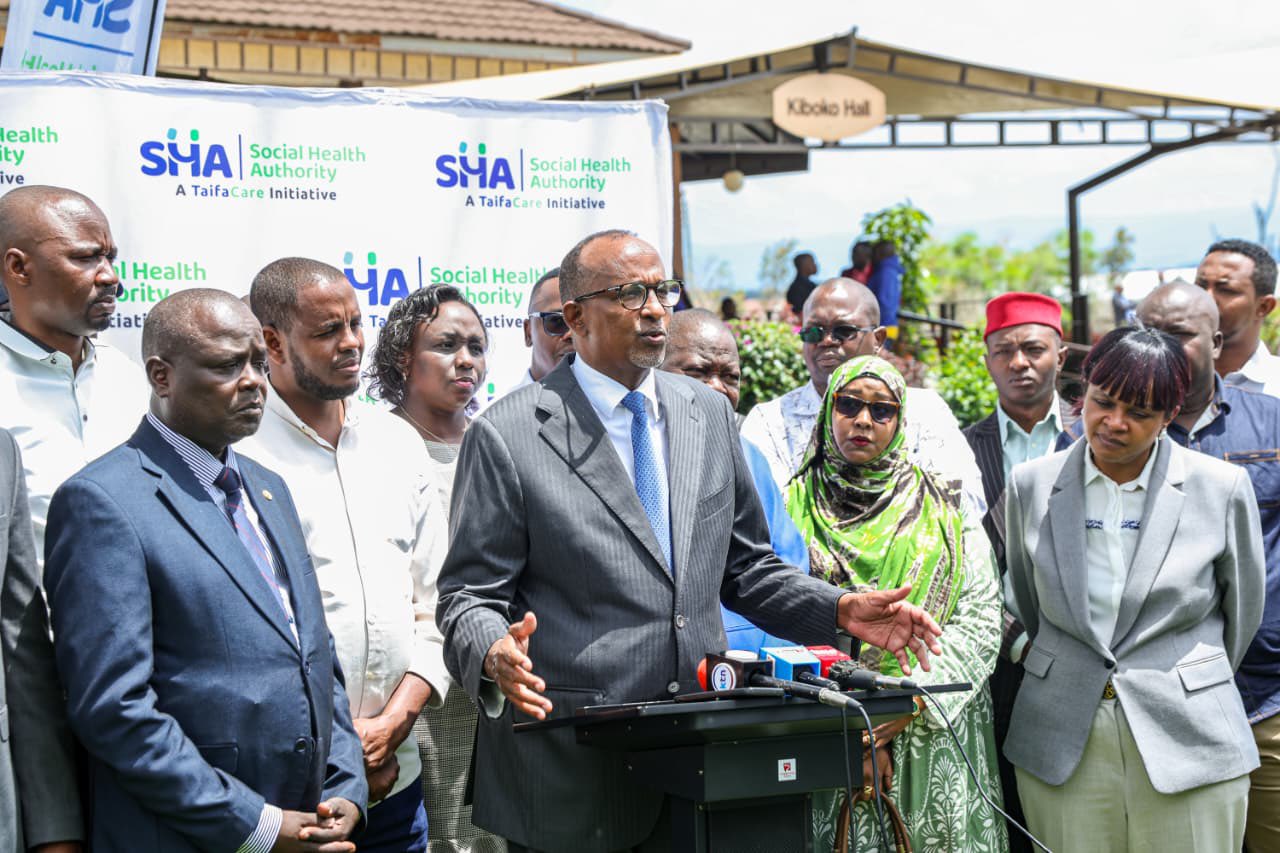
Access to specialised and timely healthcare for teachers is being strengthened through renewed engagement between the Ministry of Health, the Social Health Authority (SHA) and the Kenya Union of Post Primary Education Teachers (KUPPET).
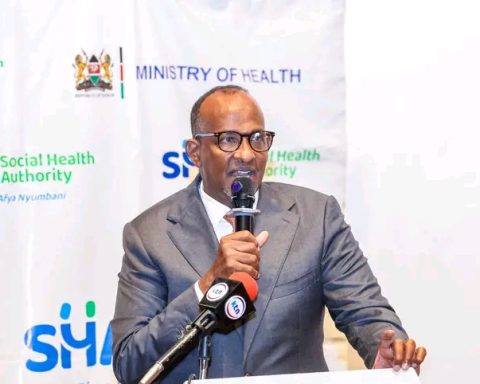
On Thursday, September 17, 2026, Cabinet Secretary for Health Aden Duale chaired a joint consultative meeting to review the implementation of the Mwalimu Comprehensive Medical Cover under the Public Officers Medical Scheme Fund.
KUPPET, led by Chairperson Omboko Milemba, and SHA, led by Chief Executive Officer Dr Mercy Mwangangi, reviewed responses to concerns raised by teachers and agreed on measures to improve access to quality and dignified care.

The discussions covered access to IVF and oncology services, management of chronic illnesses, monthly prescriptions for priority conditions, specialised treatment, last-expense services and other concerns affecting beneficiaries.
During the discussions, the Ministry, SHA, KUPPET and the Teachers Service Commission agreed to strengthen accountability through monthly implementation reports, prompt resolution of reported incidents and action against healthcare facilities that fail to meet agreed service requirements.
The engagement builds on 84 monthly consultative meetings involving KUPPET, SHA and TSC county coordinators across the country. These forums support the timely identification and resolution of challenges affecting teachers at the county level.
How many hospitals are contracted by SHA?
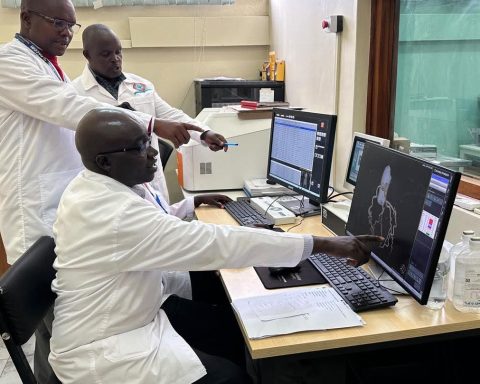
SHA currently has 7,031 contracted healthcare facilities, including 122 haemato-oncology facilities. The Authority is also strengthening capacity in highly specialised services, including bone marrow transplantation, to expand access to treatment within Kenya.

The Government is also pursuing partnerships to address specialised healthcare needs, including collaboration with Morocco through the Princess Lalla Asmaa Foundation to strengthen paediatric hearing care and expand access to cochlear implant surgery for children.
A simplified benefits guide is being developed to help beneficiaries understand the healthcare services and benefits available under their cover. Regional and committee-level engagements will also be conducted every three months to review implementation, address emerging concerns and monitor improvements.