
The County Government of Trans Nzoia has taken major strides towards sustainable farming after the Department of Agriculture led a consultative meeting with stakeholders to re-approve the Agro-Ecology Policy Paper 2026.
Trans Nzoia County Secretary Truphosa Amere said the county is grappling with challenges such as land degradation, climate variability and weak food systems.
“These factors have reduced productivity, farmer incomes and food security. The Agro-Ecology Policy 2026 gives us a chance to restore productivity, reduce costs, create green jobs and build resilience against climate change,” she noted.

She explained that agro-ecology is a holistic approach that combines indigenous knowledge, scientific innovation and local practices.
“It promotes soil regeneration, biodiversity conservation, integration of crops and livestock, reduced dependence on synthetic inputs and social inclusion,” Amere said.
Dangers if unsustainable farming practices
County Executive for Agriculture Phanice Khatundi echoed the sentiments, warning that unsustainable practices have led to loss of indigenous seeds, traditional livestock breeds and beneficial organisms.
“Heavy use of chemicals, monoculture farming and habitat destruction have weakened our resilience to pests, diseases and climate variability,” she said.

Director of Agriculture Simion Mwombe highlighted nutrition challenges in the county.
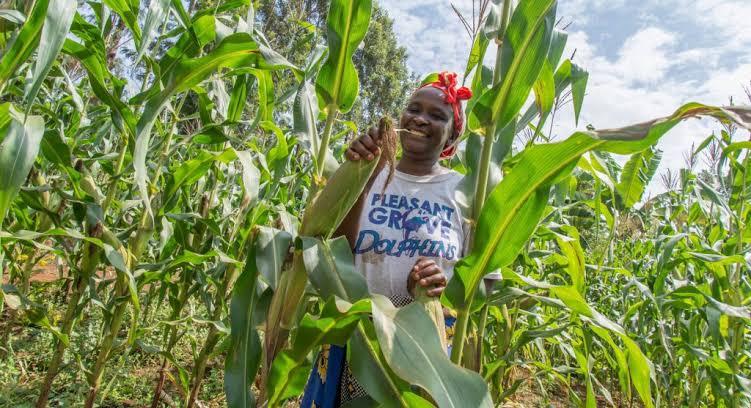
He said most households rely heavily on maize with limited vegetables, fruits and animal products.
“This poor dietary diversity has increased malnutrition and health risks,” Mwombe said, adding that weak market systems and poor storage have caused up to 40% post-harvest losses.
Lead consultant Edward Masinde said the policy aims to accelerate adoption of agro-ecological practices, strengthen biodiversity and promote farmer-managed seed systems.
“We want to reduce reliance on chemicals, support community seed banks and promote nutrition-sensitive farming,” he said.
Financing partner Polly Noice stressed the importance of investment.
She pointed out that agro-ecology was not just farming but a strategic investment in productivity, job creation, food security and public health savings.
“With strong leadership, Trans Nzoia can be a model for sustainable agriculture,” Noice said.
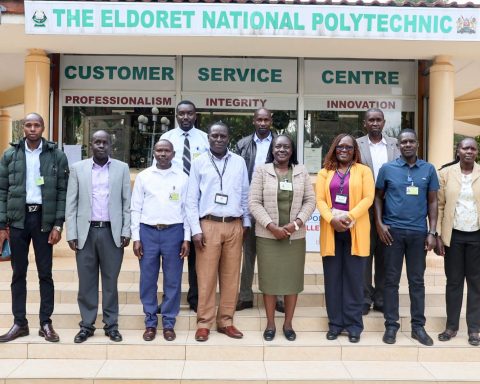
The meeting brought together county executives from various departments.