

The County Government of Uasin Gishu has intensified the Foot and Mouth Disease (FMD) vaccination campaign to safeguard its livestock-based economy and farmers’ livelihoods.
So far, more than 96,000 cattle have already been vaccinated, which represents 30 per cent of the 320,000 target.
How many livestock are in Uasin Gishu County?
The county, home to an estimated 570,000 livestock, says accelerating vaccination coverage is critical to preventing outbreaks that could disrupt dairy and beef value chains and cause significant economic losses.

Through the National Agricultural Value Chain Development Project (NAVCDP), the county convened veterinary surgeons, animal health assistants and representatives from the County Commissioner’s office to review progress and adopt strategies aimed at closing the remaining 70 per cent vaccination gap.
The three-month exercise, previously conducted on a farm-to-farm basis, will now shift to designated common vaccination grounds to enhance efficiency and reach more farmers within a shorter timeframe.
Additional personnel have been deployed to strengthen livestock identification, scanning and data capture during the intensified rollout.
Under the e-voucher subsidy programme, farmers are paying only KSh 50 per animal, while the county government contributes KSh 160 — significantly lowering the cost burden and encouraging wider participation.
Is foot and mouth disease dangerous?
“Foot and Mouth Disease (FMD) is a highly contagious transboundary animal disease of significant economic concern, affecting cloven-hoofed animals and posing serious risks to livestock productivity, market access and trade,” said Dr Philip Biamah, Director of Veterinary Services.
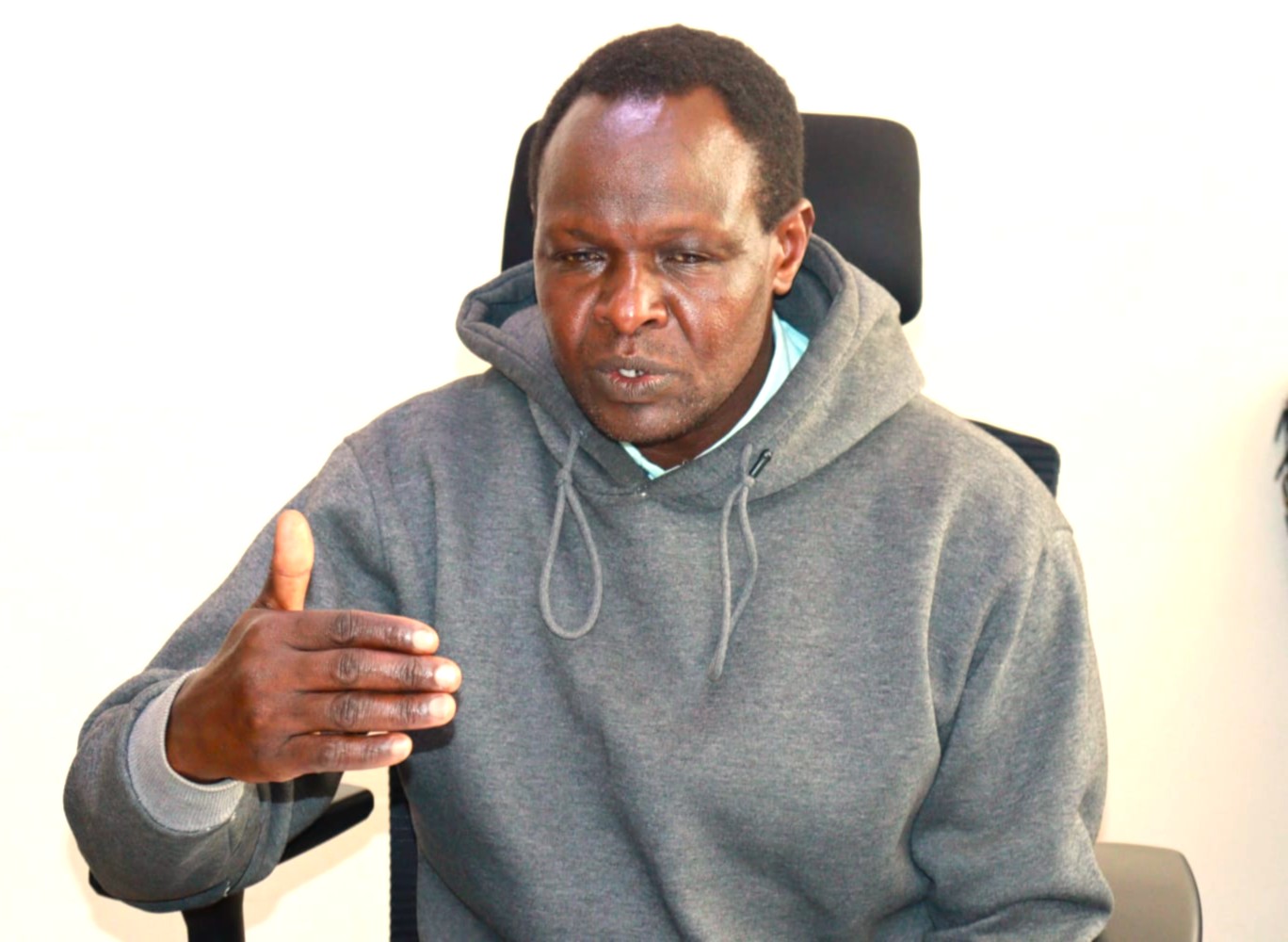
“Closing the remaining 70 per cent vaccination gap is critical to safeguarding farmers’ incomes and protecting the county’s livestock-based economy,” he added.
Agriculture Director Reuben Seroney reaffirmed the department’s commitment to farmer mobilisation and inter-agency coordination to ensure the county achieves the 320,000 vaccination target and secures the livestock sector against costly disease outbreaks.
The county has urged livestock farmers to take advantage of the subsidised vaccination programme to protect their animals and strengthen the resilience of the dairy and beef industries.