

The Government has unveiled plans to protect farmers from the devastating effects of climate change as concerns grow over the impact of prolonged dry conditions on crop production in several parts of the country.
Agriculture Cabinet Secretary Mutahi Kagwe has assured Kenyans that despite the challenges facing the agricultural sector, the country will remain food secure and no effort will be spared to support farmers whose crops have been affected by drought.
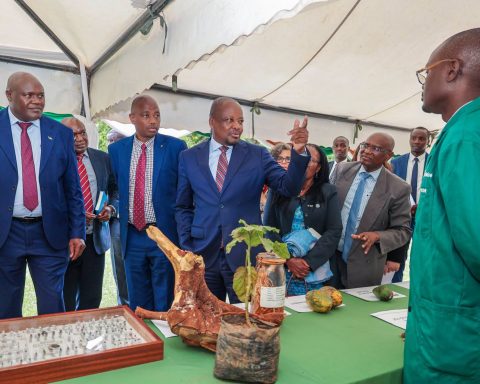
Speaking after an assessment tour of Eldoret, Nandi and Trans Nzoia counties, the CS acknowledged that changing weather patterns have negatively affected maize production in some areas, threatening one of the country’s most important food crops.
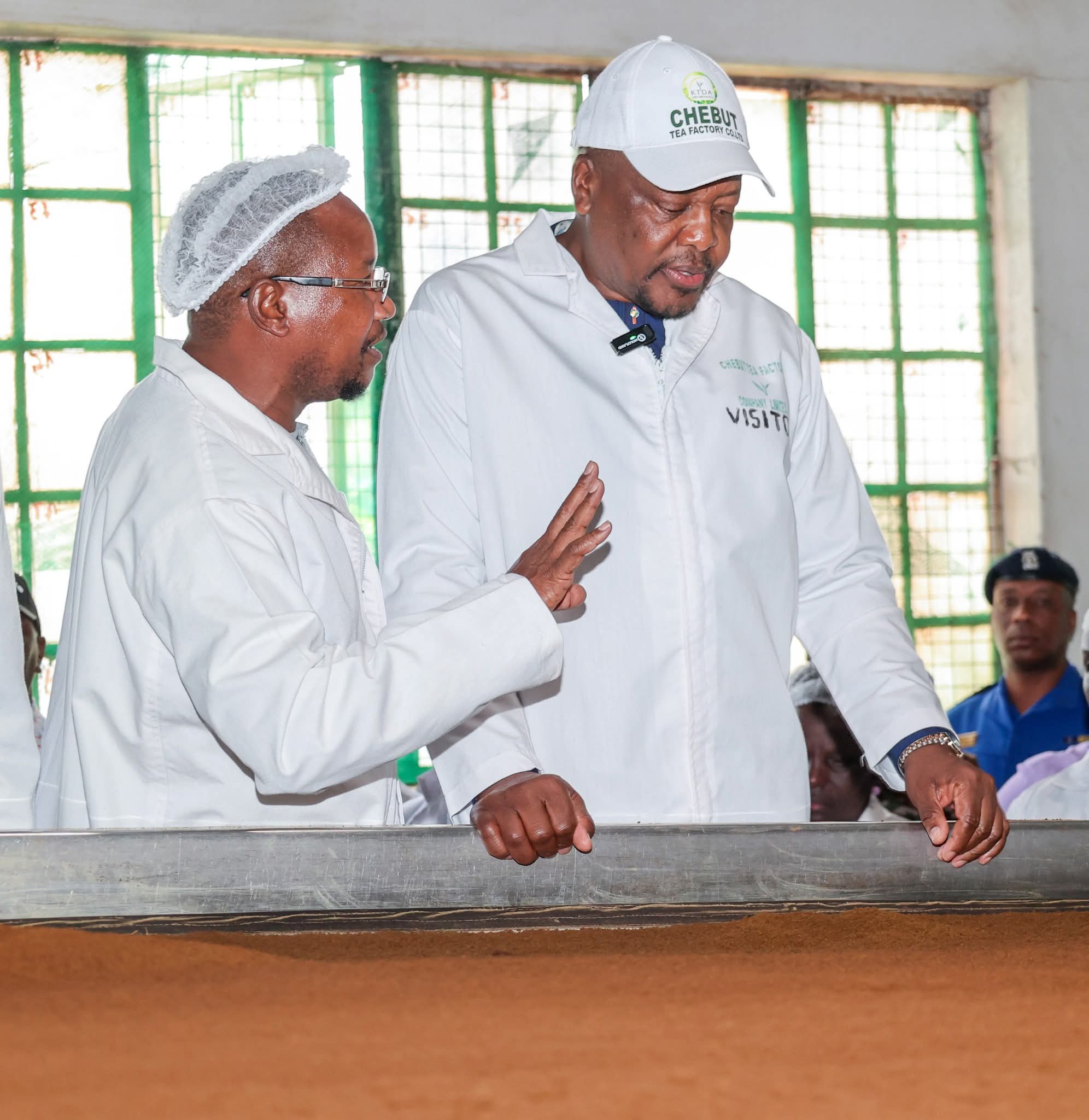
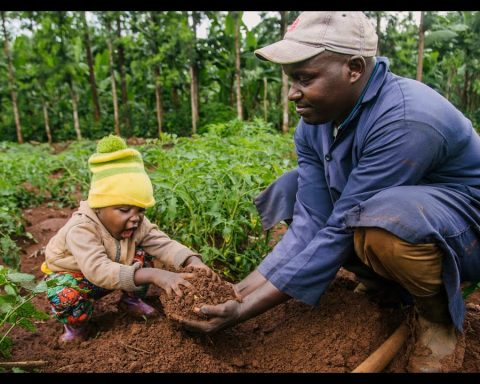
However, he emphasized that the Government will not turn its back on affected farmers, noting that maize producers play a critical role in feeding the nation and sustaining the country’s economy.
Will government help farmers affected by drought?
He said the Government is already working on interventions aimed at cushioning farmers from the effects of climate change while strengthening food production to guarantee a stable food supply.
The CS also moved to calm fears over a possible food crisis, assuring Kenyans that the Government is implementing measures to prevent food shortages and keep the prices of essential food commodities stable.
“We will not allow Kenyans to suffer from hunger because of the current weather conditions,” he said, reiterating the Government’s commitment to protecting both farmers and consumers.
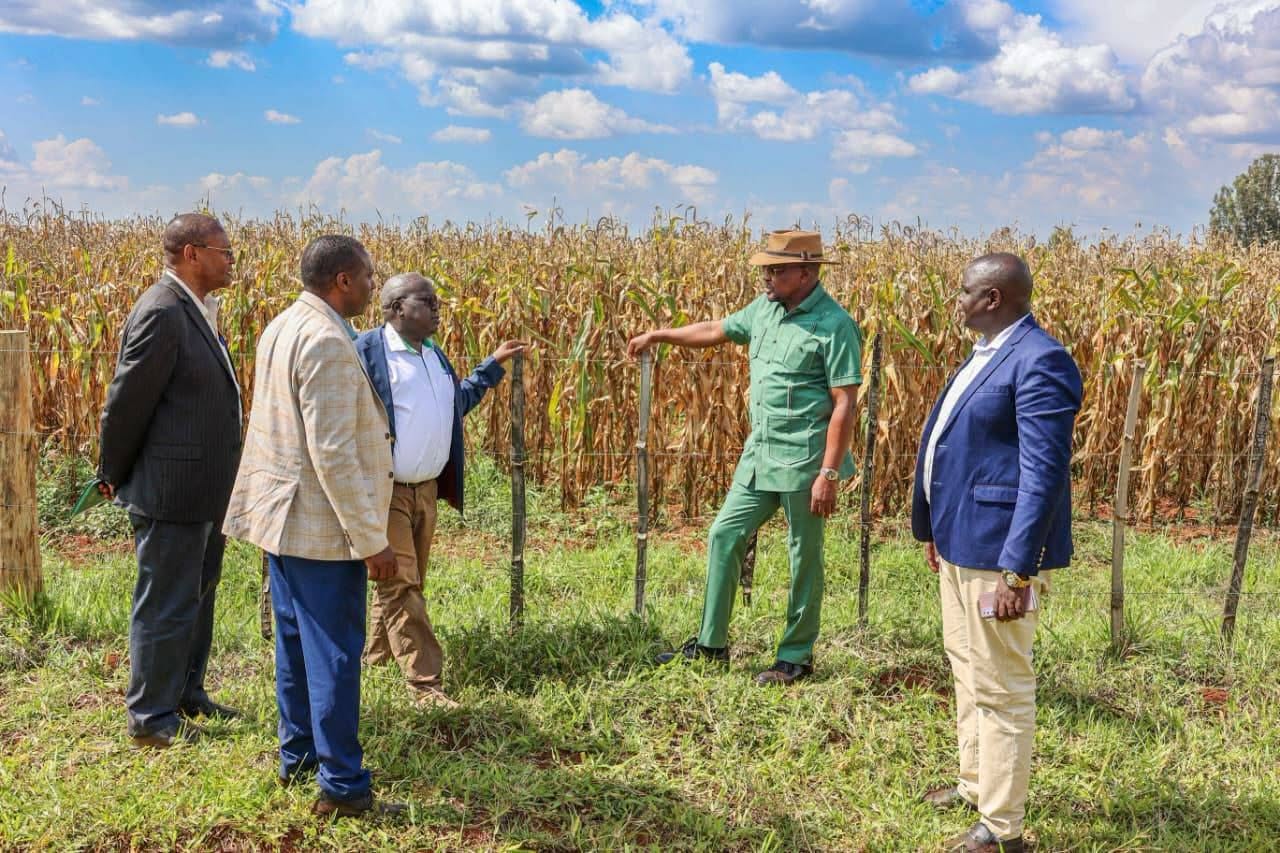
At the same time, the CS commended Kenya Seed Company for ensuring that farmers continue to access quality seeds despite the drought, saying the availability of certified seeds remains a key pillar in safeguarding food security.
Kagwe’s warning to individuals selling fake seeds
He also issued a strong warning against the sale of counterfeit seeds, describing the illegal trade as one of the biggest threats to agricultural production.
According to the CS, many farmers only realize they purchased fake seeds five to six months after planting, when their crops fail and their investments have already been lost.
He directed security agencies to intensify the crackdown on individuals involved in the sale of counterfeit seeds, warning that the Government will not tolerate activities that undermine the country’s food production systems.
The CS further called on Members of Parliament to support legislation that would classify the sale of fake seeds as an economic crime, arguing that the practice amounts to economic sabotage because it threatens the country’s food supply.
He also urged farmers to be vigilant when purchasing seeds by confirming both the seller and the source, advising them to buy certified seeds from recognized institutions such as Kenya Seed Company and KALRO.
His remarks were echoed by Kenya Seed Company Ltd CEO Sammy Chepsiror, who assured farmers that the country has sufficient seed stocks despite the prevailing drought.

Chepsiror also credited the Government’s subsidy programme for enabling more farmers to plant and increase production, adding that the intervention has played a crucial role in strengthening food security.
He revealed that last year’s commercial maize harvest reached nearly 70 million 90-kilogram bags and noted that this year’s production had shown even greater potential before drought conditions affected several maize-growing regions.
Nevertheless, he expressed confidence that the Government’s planned interventions would help cushion farmers and ensure the country remains food secure.