


The County Government of Uasin Gishu has reported an improvement in handling severe childhood illness.
According to Promotive and Preventive Health Chief Officer Joyce Sang, there is a great improvement in quality service delivery because of the use of Pulse Oximetry for checking oxygen concentration in children.
Uasin Gishu is among select counties that have been piloting the use of new tools to detect severe illness, especially pneumonia, in children.
Under the program, 20 Uasin Gishu County health facilities were equipped with Pulse Oximeters (PO) and Electronic Clinical Decision Support Algorithms (eCDSA).

“The use of POX in the facilities has improved the handling of severe childhood illnesses and emergencies as well as timely referral,” Sang said.
“Use of eCDSA has also led to accurate diagnosis, appropriate use of antibiotics and to avoid polypharmacy,” she added.
On his part, Director of Clinical Services Dr Ronald Kipchumba assured the partner of continued collaboration and partnership in the provision of pulse oximeters to the facilities.
TIMCI Project
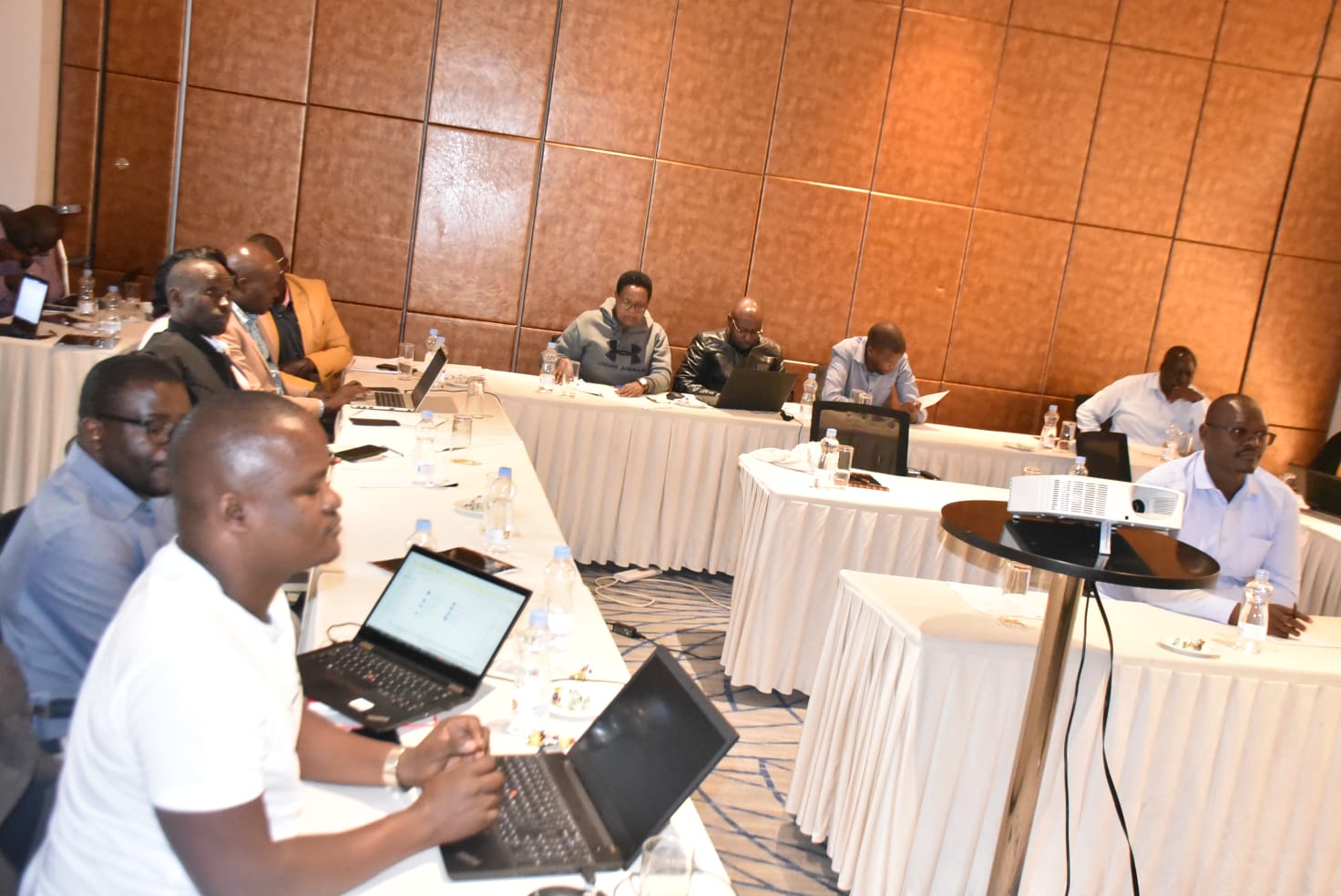
The two spoke during a meeting with the Health Management Team and PATH, a partner implementing the Tools for Integrated Management of Childhood Illness project (TIMCI) Project that was piloted in Soy, Moiben and Ainabkoi Sub-Counties.
TIMCI Project aims at accelerating the development and market entry of non-invasive devices that augment the features of standard POX with one or more additional vital signs measurements.
It is also being implemented in Kakamega and Kitui counties.
20 health facilities have been selected in each of the three counties out of which 17 have been randomly selected for research activities.
The three counties were consultative-ly selected based on the current morbidity and mortality trends, the burden of pneumonia and diversity in geographical altitudes.
Pulse oximetry is a test used to measure the oxygen level (oxygen saturation) of the blood. It is an easy, painless measure of how well oxygen is being sent to parts of your body furthest from your heart, such as the arms and legs.
Clinical decision support algorithms (CDSAs) on the other hand are digitized tools that combine an individual’s health information with the health worker’s knowledge and clinical protocols to assist in making diagnosis and treatment decisions.